
There are a lot of things to do in Vancouver. That sounds obvious, but I mean it in a very specific way: this is one of those cities where you can have a genuinely great day without “doing” that much. A long waterfront walk. A park that feels like it belongs to a different region entirely. A museum or two when the weather shifts (and it will, perhaps). And then—almost accidentally—you look up and realize the mountains have been sitting there the whole time, like a backdrop nobody bothered to turn off.
This guide is built for travelers who want the highlights, yes, but also want the small choices that make a trip feel smooth: how long to budget, what to pair together, what’s worth paying for, and what’s honestly just as good for free. I’ll keep it practical, but not rigid. Vancouver doesn’t really reward a minute-by-minute schedule anyway.
things to do in vancouver (the core list)
If you’re trying to decide what’s truly worth your time, here’s the approach I like: pick one “big” anchor each day (a major park, a viewpoint, a signature experience), then stack two or three smaller, nearby stops around it. It keeps you moving, but not in that frantic way where you’re always checking the clock.
1) Walk (or bike) the Seawall, even if you’re not a “walk person”
Vancouver’s Seawall is described by the City of Vancouver as the world’s longest uninterrupted waterfront path, and it’s a 28 km seaside greenway that runs from the Vancouver Convention Centre to Spanish Banks Park. It’s set up for walking, jogging, and cycling, and it’s one of those rare touristy things that locals also genuinely use. You’ll see that immediately.
How long to budget: 1–3 hours for a satisfying chunk, half a day if you want to linger and detour.
Pair it with: Stanley Park (if you want the “classic” section), or False Creek if you prefer a more urban waterfront feel.
One small caution: the Seawall is popular for a reason. If you’re cycling, pay attention to lane markings and go a little slower than you think you need to. It’s not a race course.
Free things to do in Vancouver tends to overlap with Seawall days, so if you’re building a budget-friendly plan, keep that list open while you map your route.
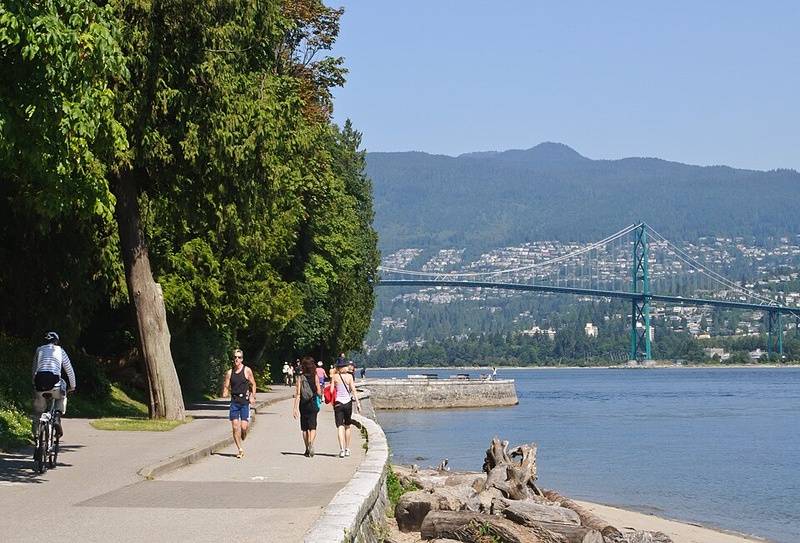
2) Spend real time in Stanley Park (not just a quick photo stop)
Stanley Park is the kind of place that makes people fall a little bit in love with Vancouver. The City of Vancouver describes it as the city’s first, largest, and most beloved urban park, with a 400-hectare West Coast rainforest, beaches, scenic trails, wildlife viewing opportunities, and waterfront views along the Seawall. It’s open 6am to 10pm (unless posted otherwise), with washrooms generally available from dawn until dusk.
How long to budget: half a day is ideal; a full day is easy if you add the aquarium, beaches, and a longer Seawall loop.
Pair it with: a late afternoon Seawall stroll toward Coal Harbour, or a sunset walk toward English Bay.
One small caution: because it’s big (and because you’ll want to stop constantly), it can quietly take over your day. That’s not a bad thing, but it’s good to plan for it.
3) Choose your “big view” moment (and commit to it)
Vancouver is full of views, but the best ones usually happen when you pick a viewpoint and actually give it time—time to arrive, to wait out clouds, to sit, to notice details. (I think that’s true of most places, but Vancouver really rewards it.)
Two classic approaches:
- Waterfront views: Seawall sections, beaches, and lookout points you can reach on foot.
- Elevated city views: viewpoints that give you the skyline plus the North Shore Mountains in one frame.
How long to budget: 45 minutes to 2 hours, depending on whether you’re pairing it with a walk.
Pair it with: a café stop and a slow neighborhood wander, so the “view” doesn’t become a rushed checkbox.
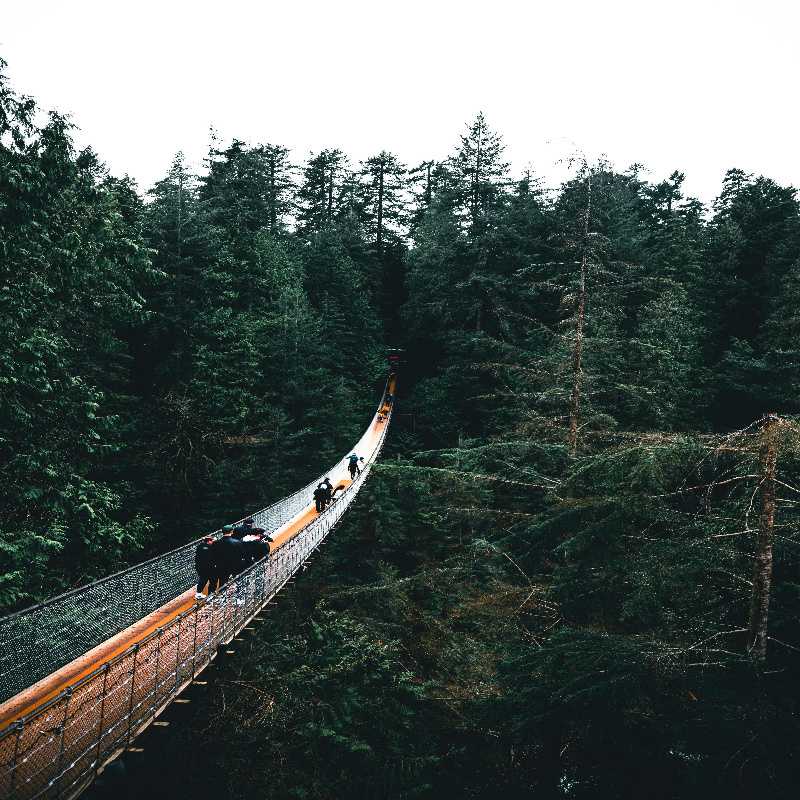
4) Do Capilano Suspension Bridge Park if you want a high-impact, rainforest-style experience
If you want something that feels unmistakably “Pacific Northwest,” Capilano Suspension Bridge Park is the famous one. The park’s own history page describes the bridge as first built in 1889 by Scottish engineer George Grant Mackay, originally using hemp ropes and cedar planks, and rebuilt with wire cables in 1903. It’s a classic, dramatic, slightly nerve-wracking (in a fun way) experience—especially if you don’t do heights often.
How long to budget: 2–4 hours, plus transit time.
Pair it with: a North Shore day, especially if you’re already aiming for nature and viewpoints.
One small caution: this is a high-demand attraction. If you’re traveling in peak season, assume crowds and plan your timing carefully.
If you’re weighing multiple North Shore options and trying to design a full day that doesn’t feel scattered, you’ll probably like a structured plan like this Vancouver 3-day itinerary—even if you’re only in town for two days. It helps you see what “fits” together.
5) Build a “neighborhood afternoon” (this is where Vancouver feels most human)
It’s tempting to hop between top attractions all day. Sometimes that works. But Vancouver can feel more memorable when you give yourself one long, unhurried block of time in a neighborhood—coffee, a bookstore, a waterfront detour, an early dinner. Nothing “major,” and yet it’s often the part you talk about later.
How long to budget: 2–4 hours.
Pair it with: one anchor attraction earlier in the day (Stanley Park, a museum, a viewpoint).
One small caution: keep it loose. The point is wandering, not optimizing.
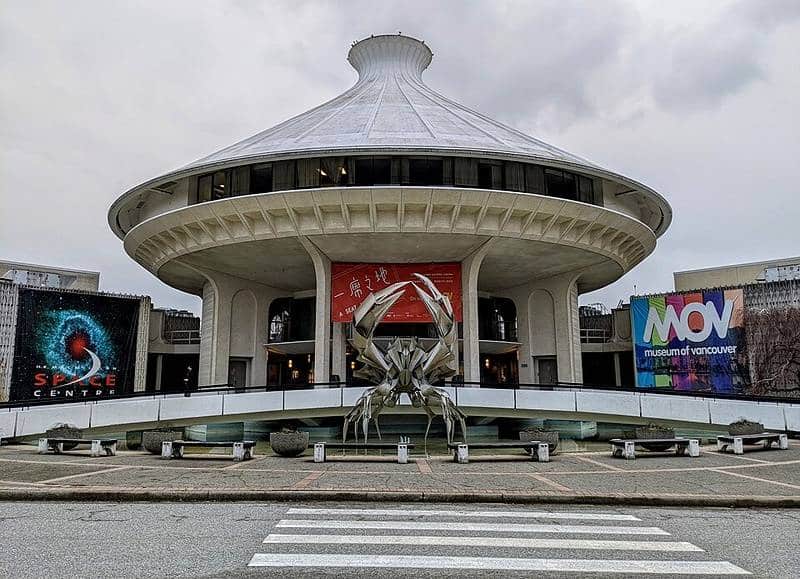
6) Plan at least one museum or gallery day-part (especially if you’re visiting in shoulder season)
Vancouver weather can be generous, and then suddenly not. Having one or two indoor options you actually care about makes a trip feel calmer—like you’re not constantly negotiating with the sky. Even if it stays sunny, a museum break can be a nice change of pace.
How long to budget: 1.5–3 hours for a focused visit.
Pair it with: a walk afterward (you’ll want fresh air), or an indoor market/food stop if it’s raining.
One small caution: don’t overpack your indoor day. Two museums back-to-back can start to blur together unless you love that pace.
7) Do one “on the water” moment, even if it’s simple
Vancouver’s relationship with the water is constant—harbor, bays, inlets, and that feeling that the city is wrapped around the shoreline. You don’t need a complicated plan to enjoy it. A short ferry ride, a harbor cruise, or even just a long sit on a seawall bench with a snack can do the job.
How long to budget: 30 minutes to half a day.
Pair it with: a Seawall walk and a neighborhood dinner.
One small caution: dress like someone who expects the breeze. It can be colder near the water than you think.
8) Save one evening for a “no-plans dinner”
This sounds like a soft suggestion, but I mean it seriously. If you schedule every dinner, you miss the joy of choosing based on mood: somewhere cozy because the day ran long, something light because you overdid it at lunch, or a place you walk past and immediately want to try.
How long to budget: the whole evening, ideally.
Pair it with: a sunset walk (Seawall, beach, or a viewpoint).
One small caution: if you’re traveling on a weekend in peak season, you might still want a reservation. “No plans” doesn’t have to mean “no strategy.”
How to plan your days (without overplanning)
I’ll give you a framework that works for most trips. It’s simple, and it leaves room for Vancouver being Vancouver.
- Morning: Do your “anchor” attraction while you’re fresh (Stanley Park, Capilano, a major museum).
- Midday: Eat somewhere close by and do one smaller stop (a viewpoint, a market, a short waterfront walk).
- Afternoon: A neighborhood wander or a longer Seawall segment—this is where the day starts to feel relaxed.
- Evening: Sunset + dinner, with a light plan B if the weather flips.
If you want something more structured, but still flexible, the Vancouver 3-day itinerary is the “glue” post that ties the main highlights together in a realistic rhythm.
Free and almost-free ideas (yes, really)
Let’s talk about budgets, because Vancouver can be pricey, and pretending otherwise isn’t helpful. The good news is that some of the best experiences here are outdoors and low-cost. If your goal is to stack a trip with free things to do in Vancouver, the Seawall alone can carry a big portion of your itinerary.
- Walk the Seawall in sections: You don’t need to do all 28 km. Pick a section, go slow, stop often.
- Stanley Park as a “choose-your-own” day: Trails, beaches, viewpoints, and the Seawall can fill hours without spending much.
- Sunset walks: They’re not a “sight” in the guidebook sense, but they’re usually a highlight.
- Neighborhood wandering: The point isn’t shopping; it’s noticing the small things.
If you want a curated list with pairing suggestions (so you don’t accidentally waste time crossing the city), head to free things to do in Vancouver.
Rainy-day things to do (a calmer Plan B)
Here’s a gentle truth: you can fight the rain, or you can design for it. Vancouver is easier when you assume you’ll get at least one “indoor-leaning” day, even in summer. And sometimes that day ends up being your favorite. Not always. But often enough.
- Museums and galleries: Pick one you’re genuinely curious about, and take your time.
- Long lunch + short walk: Eat slowly, then do a 20-minute waterfront loop between showers.
- Indoor markets and cafés: Keep it simple and cozy; you’re not “wasting” time, you’re adjusting pace.
If you’re building a multi-day plan, it can help to assign your indoor options to whichever day has the worst forecast and keep everything else flexible.
Day trips when you want a bigger landscape
Vancouver is a city, but it’s also a launching point. If you’re here for more than a couple of days—or if you’re the kind of traveler who gets restless unless you see a road disappear into the mountains—day trips make a lot of sense.
How long to budget: a full day, and I mean it. Day trips that are squeezed into half a day tend to feel stressful.
One small caution: don’t stack a huge day trip with an ambitious city morning. Vancouver is walkable, but it’s still a lot of movement.
For a choose-your-vibe list (ocean, mountains, small towns, ferry days), see best day trips from Vancouver.
Practical tips that make everything easier
Start earlier than you think you need to. This isn’t about waking up at dawn every day. It’s about giving yourself margin—so you can stop for coffee, take the long way, and still arrive before the biggest crowds.
Be honest about “one big paid attraction” days. If you’re doing something like Capilano, let it be the main event. Don’t punish yourself by cramming in three other major paid activities on the same day.
Use the City’s resources for outdoor staples. For things like the Seawall and Stanley Park basics—where they are, what they connect to, and practical details—official City pages are often clearer than random blog summaries.
Don’t worry if you can’t do it all. Vancouver is one of those places where the “extra” list stays tempting. That’s fine. You can leave with a few things undone and still feel like you did the city justice.
Conclusion: choosing the right things to do in Vancouver
If you’re feeling overwhelmed by the options, I’d narrow it down like this: pick one iconic outdoor anchor (Stanley Park and the Seawall are the classic pairing), add one high-impact experience if it fits your budget (Capilano is the famous one), and then give yourself permission to have at least one slow neighborhood afternoon. That mix tends to create the kind of trip that feels balanced—active, scenic, and still human.
And yes, there are endless things to do in Vancouver. But the best days here usually aren’t the ones with the longest checklist. They’re the ones where you walk farther than you expected, pause more than you planned, and end up with a view you didn’t know you needed.