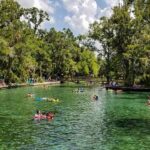
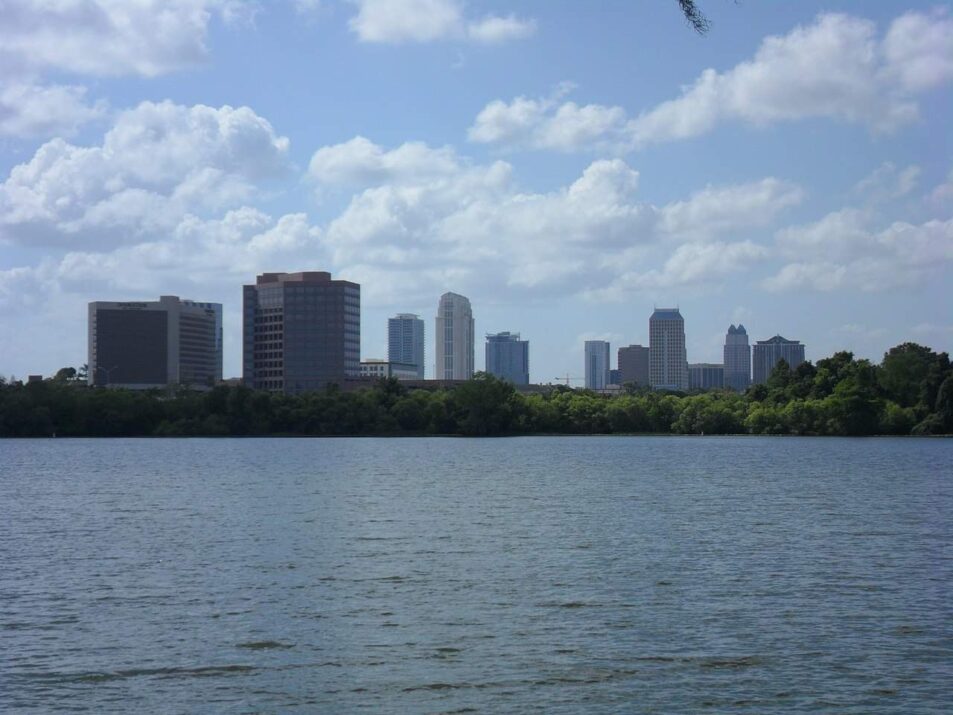
There’s a version of Orlando most visitors never see—one where Spanish moss drapes from ancient oaks, where waterways run clear enough to count fish scales, and where the loudest sound at night is an owl calling from a distant pine. Florida’s state parks around Orlando offer this alternative experience: genuine wilderness camping just minutes from the theme-park frenzy. And perhaps the best part? You can have both—spend your morning paddling pristine lakes, then catch evening fireworks over Cinderella’s Castle.
Why State Park Camping Beats Private Campgrounds
Private RV resorts have their place—pool slides, organized bingo nights, and all that—but state parks deliver something fundamentally different. You’re camping in nature, not next to a parking lot with trees. The wildlife viewing alone justifies the choice: white-tailed deer at dawn, river otters playing in creeks, bald eagles circling overhead. Plus, state park fees are remarkably reasonable: $20-30 per night for full-hookup sites, sometimes less for primitive camping. Compare that to $50-75 at commercial parks, and the savings add up quickly.
Top State Parks for Camping Near Orlando
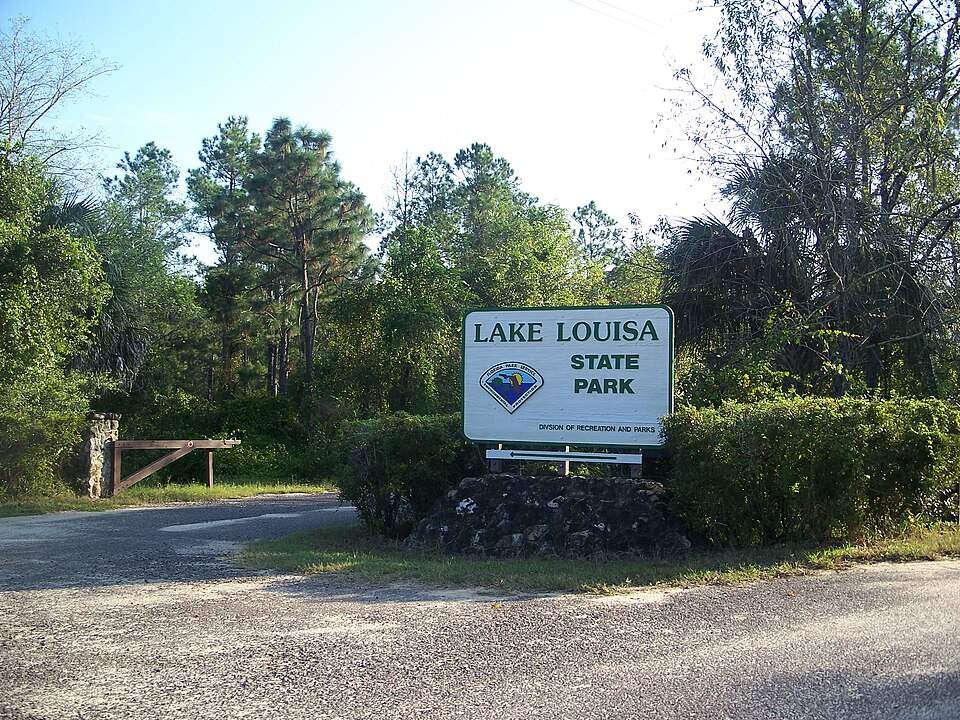
Lake Louisa State Park
Distance from Orlando: 30 miles west in Clermont
Lake Louisa might be Central Florida’s best-kept camping secret. This 4,500-acre park encompasses six named lakes—Louisa, Hammond, Dixie, and three smaller bodies—all connected by hiking trails that wind through rolling hills (yes, hills in Florida). The landscape here is subtly different from typical flatwoods: sandhill scrub transitions to hardwood hammocks, and elevation changes actually require uphill effort.
Camping Options
- Full-Facility Campsites (60 sites): Nestled between Dixie and Hammond lakes, these sites offer 30/50-amp hookups, water, picnic tables, and grills. Sites accommodate RVs up to 50 feet. Most have lake views—waking up to sunrise over glassy water never gets old.
- Cabins (20 total): Two-bedroom, two-bath cabins overlooking Dixie Lake. Fully equipped kitchens, central heat/AC, linens provided. These book fast—reserve 11 months ahead if possible.
- Equestrian Camping: Four primitive sites with horse paddocks, fire rings, and composting toilets. Over 20 miles of equestrian trails wind through the park.
- Primitive Camping: Wilderness Point and Pine Point offer true backcountry experience—no water, no electricity, just fire rings and solitude.
Activities & Highlights
Lake Louisa’s trail system is extensive—over 25 miles of hiking and biking paths. The Lake Louisa Loop (7.2 miles) circles the namesake lake, offering panoramic views and wildlife encounters. I once spotted a family of deer at the north end, so close I could hear them breathing. Fishing is excellent for bass and bluegill; non-motorized boats and kayaks can be rented on-site.
Insider Tips
- Sites 12-18 have the best lake views
- Swimming allowed but no designated beach—bring water shoes
- Cell service spotty; download maps before arrival
- Winter camping is ideal—summer heat and humidity can be brutal on trails
Silver Springs State Park
Distance from Orlando: 75 miles north near Ocala
Okay, Silver Springs pushes the “near Orlando” definition—but it’s worth the drive. Home to Florida’s largest artesian spring (producing over 550 million gallons daily), Silver Springs offers glass-bottom boat tours, crystal-clear swimming, and historic Spanish moss-draped landscapes that feel like stepping into Old Florida postcards.
Camping Options
- RV & Tent Sites (59 sites): Shaded by mature oaks and pines, each site includes water/electric hookups, fire rings, grills, and picnic tables. Maximum RV length: 50 feet.
- Cabins: Six-person cabins with full kitchens, two bedrooms, gas fireplaces (seasonal), and screened porches overlooking natural areas.
- Primitive Group Camping: Organized youth groups can reserve primitive sites with fire rings and picnic tables. No showers, no electricity—true camping.
Activities & Highlights
The glass-bottom boat tours are iconic—launched since 1878, they glide over the spring run where visibility can exceed 100 feet. You’ll see bass, turtles, and ancient cypress logs resting on the spring floor. Kayaking and canoeing are permitted, though motorized boats are restricted. The hiking trails are relatively short but scenic, winding through hardwood forests and along the spring run.
What to Know
Silver Springs gets crowded on summer weekends—arrive early or camp midweek. The spring water stays a constant 72°F, making winter swimming surprisingly pleasant. And if you’re a movie buff, this spring appeared in six Tarzan films and countless other productions—Hollywood loved its pristine beauty.
Little Manatee River State Park
Distance from Orlando: 85 miles southwest near Wimauma
Little Manatee River State Park offers something increasingly rare: genuine seclusion. With only 34 campsites in a 2,416-acre preserve, you won’t battle crowds here. The namesake river flows blackwater-clear through sand pine forests and hardwood swamps, creating a paddling paradise that feels a world away from civilization.
Camping Options
- Full-Hookup Campsites (34 sites): Sites accommodate RVs up to 68 feet—unusually long for state parks. Each includes 30/50-amp electric, water, picnic table, fire ring, and grill. Native vegetation separates sites, providing privacy.
- Equestrian Camping (4 sites): Horse-friendly sites with access to 15+ miles of equestrian trails winding through varied terrain.
- Primitive Camping: Group primitive area available by reservation.
Activities & Highlights
The 6.5-mile hiking loop is the park’s centerpiece—a moderately challenging trail through diverse ecosystems including pine flatwoods, oak hammocks, and river floodplains. Birdwatchers flock here (pun intended) for wood storks, sandhill cranes, and various wading birds. The river itself is paddle-friendly: rent canoes/kayaks on-site or bring your own for leisurely explorations where water clarity sometimes allows spotting fish and turtles from above.
Best Campsites
Sites 4, 8, 19, and 23 are consistently rated favorites—extra privacy, good shade, and convenient bathhouse access. Site 8 offers particularly nice tree canopy and feels genuinely secluded.
Highlands Hammock State Park
Distance from Orlando: 75 miles south near Sebring
One of Florida’s original four state parks (established 1931), Highlands Hammock preserves an ancient cypress swamp and hardwood hammock ecosystem. The camping here feels historic—like you’re part of a conservation tradition stretching back nearly a century.
Camping & Activities
The park offers 138 full-facility campsites scattered through pine and oak forests. Trails include the famous boardwalk through thousand-year-old cypress swamps—walking here at dawn, with mist rising and birds calling, ranks among Florida’s most atmospheric experiences. Biking is popular on the 3-mile loop drive, and ranger-led tram tours provide natural history insights.

Kelly Park / Rock Springs
Distance from Orlando: 17 miles north in Apopka
Kelly Park deserves mention, though it’s an Orange County park rather than Florida State Parks system. The draw is Rock Springs Run—a crystalline creek perfect for tubing. Floating down the shaded waterway under live oak canopies feels like Florida’s answer to lazy river rides, except this one’s real.
Camping Details
Kelly Park offers basic campsites—think primitive with some amenities. Picnic tables, fire rings, restrooms, but no hookups. If you want proximity to Orlando with a natural swimming hole, this delivers. Just know it gets crowded—arrive early on weekends or risk parking lot limbo. For more details on Kelly Park and other camping options in Orlando, check our comprehensive guide.
Seasonal Considerations for State Park Camping
Summer (June–September)
Hot, humid, and prone to afternoon thunderstorms. State park camping in summer requires preparation: waterproof gear, early-morning activity schedules, and acceptance that you’ll sweat. A lot. The upside? Fewer crowds at some parks, and spring water feels incredibly refreshing. Swimming becomes essential, not optional.
Fall (October–November)
Perhaps the best camping season—mild temperatures, lower humidity, fewer mosquitoes (though still bring repellent). Fall colors are subtle in Florida, but the light softens and wildlife activity increases. This is prime hiking weather.
Winter (December–February)
Florida’s camping secret weapon. Days are pleasant (60s–70s°F), nights can dip to the 40s, meaning campfires feel purposeful rather than decorative. Winter is also manatee season—these gentle giants migrate to warm springs, creating viewing opportunities at parks like Blue Spring and Silver Springs. Pack layers and a quality sleeping bag; Florida winter nights get surprisingly chilly.
Spring (March–May)
Wildflower season brings color to understory vegetation. Weather is nearly perfect—warm but not oppressive. This is also peak spring break season, meaning state parks near Orlando fill quickly. Reserve campsites months in advance, especially for March and April weekends.
Reservation Strategies & Booking Tips
Florida State Parks accept reservations up to 11 months in advance. For popular parks (Lake Louisa, Silver Springs), book as soon as the window opens—literally, set a calendar reminder and log in at 8 a.m. on the first available booking day. Cancellations happen, so check frequently if your desired dates show “sold out.”
Weekday camping offers better availability and quieter experiences. Consider extending weekends to include Monday/Tuesday—you’ll have trails and springs practically to yourself.
What to Pack for State Park Camping
Essentials
- Tent or RV setup: Obvious, but verify your RV length against site maximums
- Sleeping gear: Bag rated to 20°F for winter, lighter for summer with extra blankets
- Cooking setup: Camp stove, fuel, cookware, utensils, cooler with ice
- Water filter or purification tablets: State parks have potable water, but filters offer flexibility
- First-aid kit: Include antihistamines, anti-itch cream for bug bites, bandages, sunburn treatment
Florida-Specific Items
- Bug spray: DEET or picaridin-based. Mosquitoes are year-round residents.
- Sunscreen: Reef-safe formula with SPF 30+
- Rain gear: Waterproof jackets, tarp for over tent, dry bags for electronics
- Water shoes: Springs often have rocky or uneven bottoms
- Headlamp or flashlight: State parks have minimal lighting after dark
- Hammock: Between-tree lounging is practically required in Florida camping
Wildlife Safety & Etiquette
Florida state parks host impressive biodiversity—which means sharing space with creatures that were here first. Most wildlife is harmless if you follow basic guidelines:
- Alligators: Present in nearly all freshwater. Give 15+ feet of distance, never feed, keep dogs leashed and away from water edges. Gators are generally docile but can be aggressive if protecting nests (spring/summer).
- Black Bears: Rare but present in some parks. Store food in vehicles or bear-proof containers, never in tents. If you encounter a bear, make noise, back away slowly, never run.
- Venomous Snakes: Cottonmouths, copperheads, and rattlesnakes inhabit some parks. Watch where you step, especially in tall grass or near water. Most snakes flee from humans.
- Fire Ants: Painful, aggressive, and everywhere. Watch for dirt mounds, avoid sitting or standing near them. Reactions can be severe—carry antihistamines.
State Park Rules & Regulations
Florida State Parks enforce rules designed to protect resources and ensure visitor safety:
- Quiet Hours: 10 p.m. to 8 a.m. Keep noise levels respectful
- Alcohol: Permitted in campsites but not in day-use areas or while operating vehicles/boats
- Pets: Allowed in campgrounds on 6-foot leashes, prohibited in swimming areas and most buildings
- Firewood: Buy local to prevent invasive pest spread. Never transport firewood from home.
- Campfires: Only in designated fire rings. Check for burn bans during dry seasons.
- Checkout Times: Typically 1 p.m. Late checkout may incur additional fees.
Budget Breakdown: State Park Camping Costs
| Item | Cost Range |
|---|---|
| Full-Facility Campsite (per night) | $20–$30 |
| Primitive Campsite (per night) | $10–$20 |
| Cabin Rental (per night) | $80–$150 |
| Park Entry Fee (vehicle) | $4–$10 |
| Kayak/Canoe Rental (2 hours) | $30–$50 |
| Firewood Bundle | $7–$10 |
Combining State Park Camping with Orlando Attractions
Here’s where strategic planning pays off: base yourself at a state park, enjoy nature mornings and evenings, then hit theme parks during midday when crowds peak anyway. Lake Louisa to Disney World is 30 miles—a manageable 35-minute drive. You save money on accommodations while experiencing two versions of Florida: manufactured magic and authentic wilderness.
This hybrid approach works especially well for families. Kids burn energy on trails and in springs, then experience theme parks when they’re ready for different stimulation. Parents appreciate cost savings and the slower pace camping provides between high-energy park days. If you’re traveling with an RV, check out our guide to best RV parks near Disney World for additional options.
Personal Reflections: Why State Park Camping Matters
I’ll admit, my first Florida state park camping trip was accidental—Lake Louisa had availability when everything else was booked. But that “backup plan” became my preferred camping style. There’s something grounding about waking to bird calls instead of alarm clocks, about swimming in water that’s been flowing for millennia, about sitting around a campfire without Wi-Fi to distract from actual conversation.
One evening at Little Manatee River, I watched a family of otters play in the shallows while my camping neighbor—a stranger until that moment—pointed out different bird calls. We stood there in companionable silence for maybe ten minutes, just watching nature do its thing. That moment cost nothing beyond the campsite fee, yet it’s among my most cherished Florida memories.
Getting Started: Your First State Park Camping Trip
If you’re new to state park camping, start with Lake Louisa. It offers full facilities, reliable amenities, and activities for various skill levels. Book a cabin if tent camping feels too adventurous initially—you’ll still experience the park’s beauty with more creature comforts.
Visit during fall or spring for optimal weather. Plan at least two nights—one night barely scratches the surface. Bring more water than you think necessary, less gear than you’re tempted to pack. Most importantly, allow flexibility. Weather changes, trails get muddy, wildlife appears unexpectedly. The best camping moments are usually unplanned.
Beyond Orlando: Expanding Your State Park Adventures
Once you’ve explored state parks near Orlando, Florida offers dozens more worth discovering. Bahia Honda in the Keys delivers beachfront camping with turquoise waters. Torreya State Park in the Panhandle features dramatic bluffs overlooking the Apalachicola River. St. Joseph Peninsula near Port St. Joe offers pristine Gulf beaches and excellent surf fishing.
Each park preserves unique ecosystems and offers distinct experiences. State park camping becomes addictive—once you’ve tasted authentic Florida wilderness, resort pools feel oddly artificial by comparison.
Final Thoughts: Reclaiming the Real Florida
Orlando’s theme parks are remarkable achievements—imagineering at its finest. But Florida’s state parks represent something equally impressive: preservation of natural landscapes against relentless development pressure. Camping in these parks supports conservation while offering experiences theme parks can’t replicate—genuine connection with wild spaces where alligators outnumber animatronics and the only scheduled programming is sunrise.
Pack your tent, book that campsite, and discover the Orlando area’s quieter magic. Your Instagram might feature fewer castle photos, but your memories will run deeper. And isn’t that what travel should offer—not just documentation of famous landmarks, but actual experiences that change how we see the world?
The trails are waiting. The springs are flowing. Your campfire is calling. Time to answer.
For day trip options when camping isn’t possible, explore our Wekiwa Springs day use guide, or for more luxury-oriented outdoor stays, see our recommendations for glamping near Orlando.