
If you’re trying to keep costs down, Vancouver can feel a little intimidating at first. Not because it’s impossible to do on a budget. It’s more that the “paid highlights” are very visible, and the free ones are quieter. You have to lean into the city’s natural strengths: waterfront, parks, neighborhoods you can wander for hours, and views that don’t ask for a ticket.
This is a guide to free things to do in Vancouver, plus a handful of “almost free” ideas that are still worth it if you’re watching your spending. I’ll also try to be honest about the small costs people forget—transit fares, coffee stops, the temptation to rent a bike “just for an hour” that turns into half a day. It happens.
And if you want the bigger, paid-and-free mix in one place (the kind of plan you build a whole trip around), start with the main things to do in Vancouver guide and then come back here to plug in the budget-friendly pieces.
Free things to do in Vancouver: the best picks
I’m going to organize this the way real days tend to unfold: a long outdoor stretch, a neighborhood break, then a second outdoor stretch—because that’s often how you get the most “Vancouver feeling” without spending much. Not perfectly efficient, but satisfying. And honestly, satisfaction is the point.
Walk (or bike) the Seawall, even if you’re not a “walk person”
This is the big one. Vancouver’s Seawall is described by the City of Vancouver as the world’s longest uninterrupted waterfront path, and it’s a 28 km seaside greenway extending from the Vancouver Convention Centre to Spanish Banks Park. It’s set up for walking, jogging, and cycling, and the City notes it’s divided into two clearly marked sections.
Free tip: you don’t need to “do the Seawall” like it’s an endurance challenge. Pick a section and enjoy it like a long scenic corridor. Sit when you feel like it. Detour when something looks interesting. That’s kind of the whole magic.
If you want the official overview and map details, the phrase City of Vancouver belongs right next to this idea in your brain.
Best time: mornings for quieter paths, late afternoon for softer light and a more relaxed pace.
Small caution: if you’re cycling, pay attention to lane markings and signage. The Seawall is popular and it’s shared space, which is great… but it means you’ll want a little patience.
Stanley Park as a “choose-your-own” day
Stanley Park is one of those rare “free attractions” that doesn’t feel like a compromise. The City of Vancouver describes it as the city’s first, largest, and most beloved urban park, with a 400-hectare West Coast rainforest, beaches, scenic trails, wildlife viewing opportunities, and waterfront views along the Seawall. It’s open 6am to 10pm (unless posted otherwise), and washrooms are available from dawn until dusk.
That’s the official framing. The personal framing is simpler: it’s easy to lose track of time here, and that’s a compliment.
If you want to verify hours and basics before you go, link the phrase Stanley Park to the City page and you’re done.
Free tip: don’t try to see every corner. Choose a few “moods” instead—forest trails, water views, maybe a beach stop—then let the day shape itself.
Sunset walks: commit to one evening
Sunset walks are not a “sight” in the guidebook sense, but they’re often the moment people remember. There’s something about Vancouver’s mix of water and mountains that makes an ordinary walk feel a bit cinematic. I’m aware that sounds dramatic. It is, though.
Free tip: decide on one evening when you’ll do a slow walk before dinner. No rush. No strict route. Just keep heading toward the water until the light changes.
Neighborhood wandering: the point isn’t shopping
When people say “explore neighborhoods,” it can sound like filler advice. But in Vancouver it’s legitimately useful, because different areas feel different fast—one long block can change the whole vibe. The best free version of this is wandering with a loose theme: coffee + a bookstore + a small park, or waterfront + a bakery + an easy bus ride back.
Free tip: if you feel yourself walking too quickly, slow down on purpose for ten minutes. It sounds silly, but it changes what you notice.
Almost-free reality check: neighborhoods become “not free” the moment you decide you need a second coffee, a snack, and a small souvenir you didn’t plan on. I’m not judging. I’m just saying: this is how budgets quietly evaporate.
Museums and galleries: use them as weather insurance
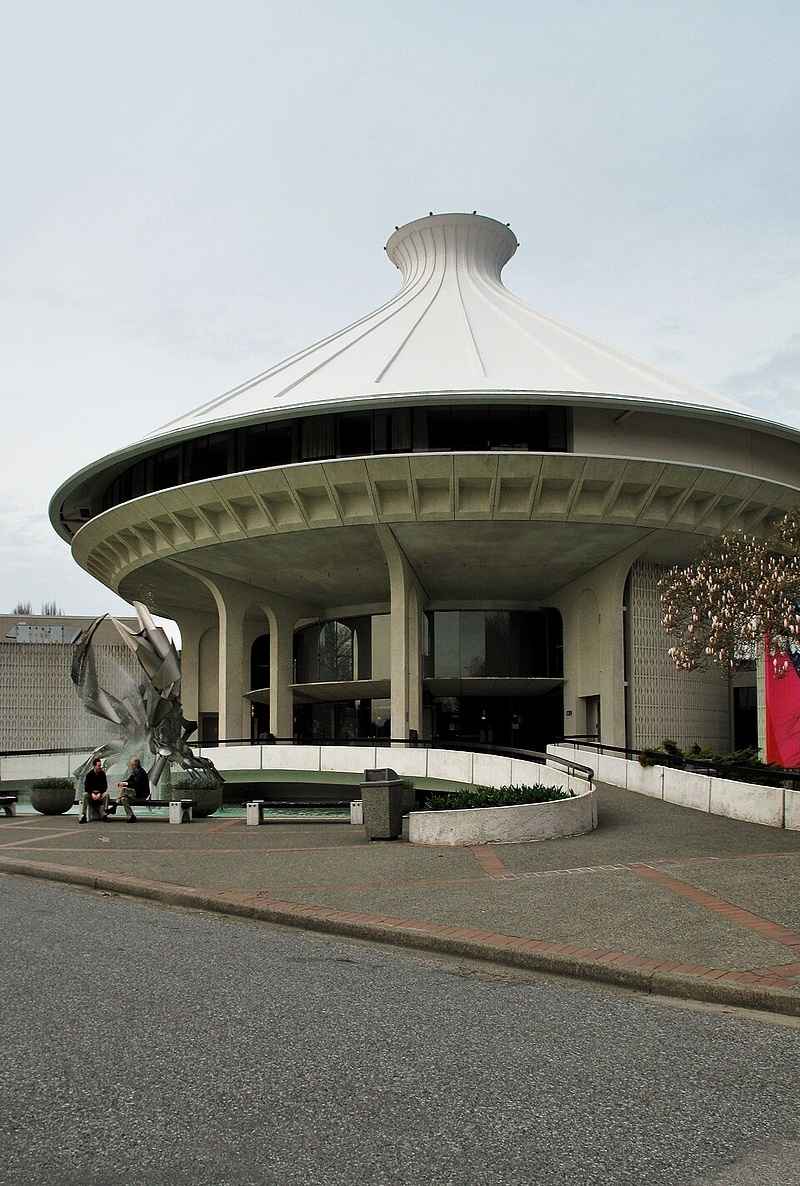
Vancouver weather can be generous and then suddenly not. A museum or gallery day-part is a good way to keep a trip feeling steady when the forecast turns. The “free” part here depends on the venue and timing, so I won’t promise something that won’t hold up for every reader.
Free tip: even if you don’t go inside, many cultural areas are still great for walking—especially when you treat the museum as a waypoint rather than the whole plan.
Free and almost-free ideas that feel like a full day
This section is for those days when you want the satisfaction of “we did a lot,” without the cost of stacking ticketed attractions. The trick is pairing locations that naturally connect, so you’re not spending money just to move around.
Seawall + park + an unhurried lunch
A classic budget-friendly day is: a long waterfront stretch, a park break, then lunch somewhere simple. If you’re relying on transit to keep things cheap, it helps to check routes before you head out—especially if you’re staying outside downtown.
Linking the phrase Trip Planner right near your planning notes is one of those quietly useful additions. It tells you how long a trip will take, whether transfers are involved, and includes real-time Next Bus departures and transit alerts.
Almost-free tip: buy groceries for one picnic-style meal. Not every day. Just one. It feels oddly satisfying in a city with this many scenic places to sit.
Stanley Park + “one more hour” that turns into two
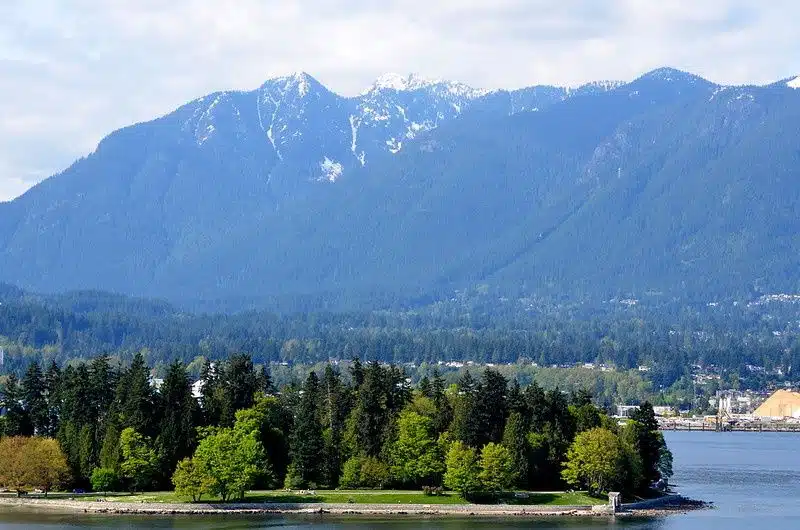
Stanley Park days have a funny pattern. You plan to pop in for a short walk, and then you keep going because each turn feels like another “well, while we’re here…” moment. If you’re trying to be budget-conscious, this is actually excellent news: the park can carry your whole day without needing add-ons.
Free tip: if you’re short on time, focus on the areas that connect naturally to the water. Those are the places where Vancouver’s scale—forest, city, ocean—really lands.
If you want help threading a park-heavy day into a larger trip, the Vancouver 3-day itinerary is the “glue” plan that keeps you from zig-zagging across the city.
Practical budget notes (the small stuff adds up)
I’ll keep this short, but it’s important.
- Walking is the real budget superpower. The more you can your day, the less you’ll spend on getting around, and the more you’ll notice.
- Transit is helpful, but plan it. A quick route check can save you from a long, expensive-feeling detour.
- Bike rentals can be great—also sneaky. They’re fun, but they can turn a “free day” into a pricey one fast if you keep extending the rental.
- One paid highlight is fine. If your budget allows, it’s okay to choose one big ticket experience and let everything else be free. The problem is when you choose three.
If you’re mixing in paid highlights like Capilano, you’ll probably want to anchor that day around the main things to do in Vancouver guide so the free days and paid days balance out naturally.
Conclusion: building a trip around free things to do in Vancouver
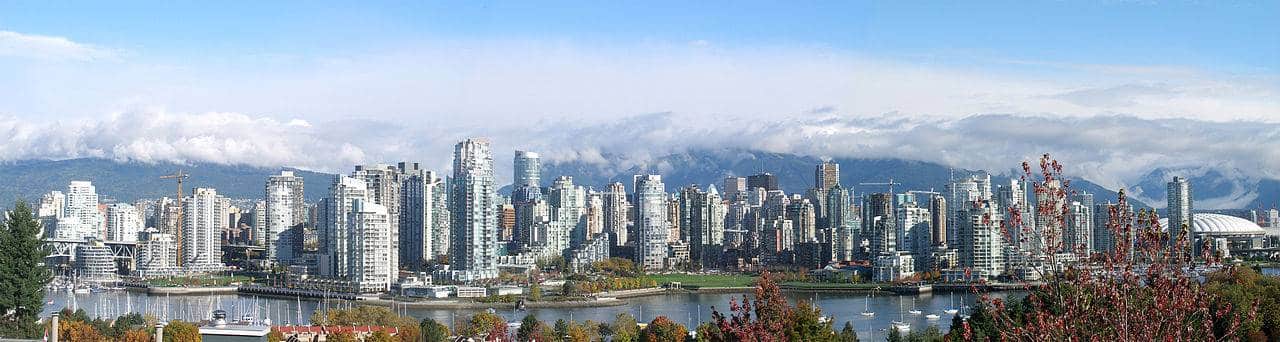
The best part about planning around free things to do in Vancouver is that it nudges you toward what the city does best: long waterfront walks, big parks, and those simple in-between moments that feel surprisingly rich. You don’t have to prove anything here. You can have a full day with a Seawall stretch, a Stanley Park wander, and a slow sunset walk—and it will still feel like you “did Vancouver.”
If you want to expand from this budget-focused list into a complete first-time plan, go back to the things to do in Vancouver guide and treat this article like a plug-in: swap in these free picks wherever the trip starts getting expensive.