
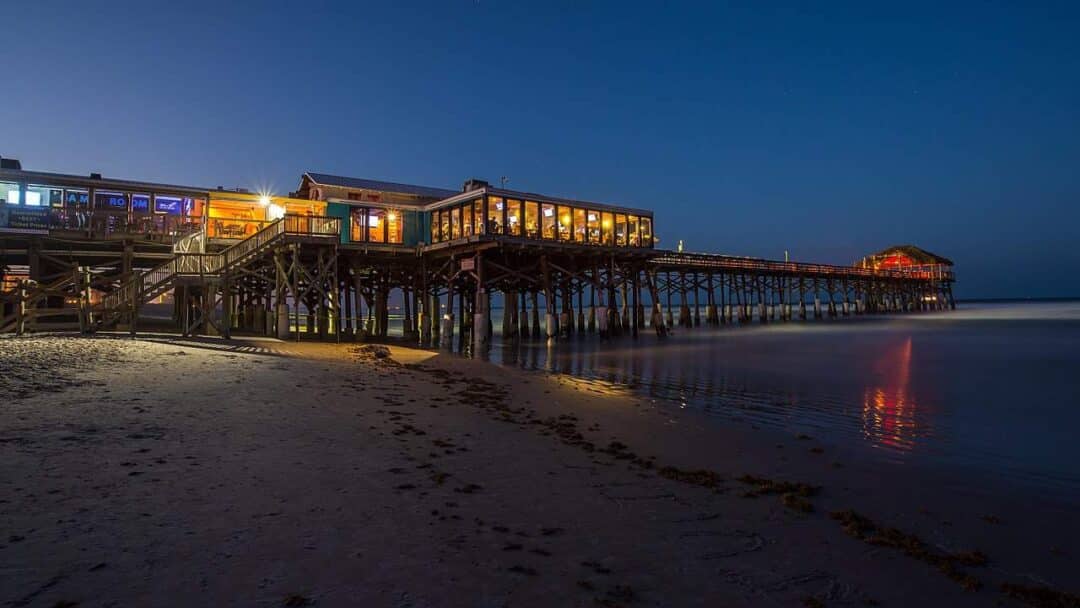
Orlando sits smack in the middle of Florida—roughly 50 miles from both the Atlantic Ocean and the Gulf of Mexico. This central position means beach camping is absolutely within reach, even if you’re based in the theme park capital. There’s something profoundly satisfying about trading Mickey Mouse ears for salt-crusted hair, swapping fireworks for bioluminescent waves, and falling asleep to surf instead of air conditioning hum. Beach camping near Orlando delivers that coastal escape without requiring cross-state road trips, and the variety of options—from primitive beachfront sites to full-service RV resorts—means everyone from minimalist tent campers to luxury glampers can find their perfect shoreline setup.
Why Beach Camping from Orlando Makes Sense
Perhaps you’ve noticed that Orlando itself lacks beaches—lakes aplenty, yes, but no ocean. Yet within an hour’s drive, you can access both coasts. The Atlantic side (east) offers dramatic surf, rocket launches from Kennedy Space Center, and pristine national seashores. The Gulf side (west) delivers calmer waters, spectacular sunsets, and that famous sugar-white sand. Beach camping combines the best of both worlds: affordable accommodations and oceanfront locations that hotels charge premium rates to overlook.
Plus, there’s practical appeal. You can split your vacation between Orlando attractions and coastal relaxation without booking separate accommodations. Spend mornings at theme parks, then drive east for afternoon beach sessions. Or reverse it—beach sunrises followed by evening fireworks at Disney. The flexibility is genuinely liberating, especially for families trying to balance different interests.

Atlantic Coast Beach Camping Options
Canaveral National Seashore
Distance from Orlando: 60 miles east
This might be Central Florida’s most pristine beach camping experience. Canaveral National Seashore protects 24 miles of undeveloped coastline—no condos, no beach bars, no jet ski rentals. Just dunes, sea oats, nesting sea turtles, and the Atlantic stretching to the horizon. The camping here is genuinely primitive: you carry your gear a quarter-mile from parking areas to beachfront sites, and facilities consist of restrooms and not much else.
What Makes It Special
Beach camping at Canaveral runs November through April only, protecting nesting season for loggerhead turtles and migratory shorebirds. There are only two camping areas—one accommodates six people, the other fifteen—so intimacy and solitude are practically guaranteed. You won’t battle crowds here. On a February visit, I had an entire beach stretch to myself for hours, the only sounds being waves and distant pelican calls. That kind of emptiness is increasingly rare on Florida’s developed coastlines.
Camping Details
- Reservations Required: Book through Recreation.gov. Sites fill quickly for winter weekends.
- No Electricity or Water: Bring everything you need—water, food, cooking gear. The nearest supplies are in Titusville or New Smyrna Beach.
- Campfires Allowed: Metal fire containers permitted unless dry conditions trigger bans.
- Fees: Vehicle entry $25 (7-day pass), camping $20 per night.
Activities
Surf fishing is excellent—redfish, pompano, whiting, and occasional tarpon. Swimming in the Atlantic here requires caution; waves can be powerful and rip currents common. Check conditions before entering water. The real draw is solitude and wildlife viewing: dolphins feed just offshore, manatees sometimes wander into Mosquito Lagoon on the park’s west side, and birdlife is spectacular year-round.
Insider Tips
- Arrive early—quarter-mile gear hauls are easier before midday heat
- Pack a wagon or beach cart for hauling supplies
- Bring extra stakes; beach sand doesn’t hold tent stakes well
- November-December offers best weather with fewest bugs
Gamble Rogers Memorial State Recreation Area
Distance from Orlando: 90 miles northeast at Flagler Beach
Gamble Rogers strikes a lovely balance between wilderness and convenience. The 34 campsites sit just behind primary dunes—close enough to hear waves, far enough to avoid high tide concerns. This is beach camping with amenities: water and electric hookups at each site, modern bathhouses, and the charming beach town of Flagler Beach a short walk away.
Campground Layout
Sites are arranged in two loops behind the dune line, separated by coastal vegetation that provides moderate privacy. Shade is limited—sea breezes help, but expect sun exposure. The constant ocean breeze is actually a blessing, keeping temperatures manageable and discouraging mosquitoes. I’ve camped here in July, and while hot during the day, evenings became genuinely pleasant with tent flaps open to catch cross-breezes.
Beach Access & Activities
Boardwalk crossovers lead directly to wide, sandy beaches. The surf here is swimmable but can be energetic—boogie boarding is popular. Fishing from the beach or nearby pier yields pompano, whiting, and flounder. The Intracoastal Waterway runs along the campground’s west side, offering calm-water paddling for kayaks and canoes (rentals available in town).
What to Know
- Sites: All include water and 30/50-amp electric hookups
- RV Length: Accommodates up to 40 feet
- Pets: Allowed in campground, prohibited on beaches
- Costs: $30-35 per night plus $5 park entry
- Reservations: Essential for summer weekends; book via Reserve America
Anastasia State Park
Distance from Orlando: 110 miles northeast in St. Augustine
If you’re willing to drive a bit farther, Anastasia State Park rewards with four miles of pristine beach, extensive trails, and proximity to historic St. Augustine. The 139 campsites are tucked into coastal hammock forests—mostly shaded, surprisingly private given the campground size. This isn’t beachfront camping; you’re about a half-mile from the ocean via park roads and trails. But that slight distance filters crowds and creates a peaceful camping atmosphere.
Why Anastasia Works
The combination of beach access and St. Augustine proximity makes this ideal for blending outdoor adventure with cultural tourism. Spend mornings exploring the Castillo de San Marcos or St. Augustine’s cobblestone streets, then return to camp for afternoon beach time and evening campfires. The park itself offers excellent birdwatching, paddling opportunities through tidal creeks, and a designated windsurfing area.
Beach Characteristics
Anastasia’s beach is wide, firm-packed sand perfect for walking and running. Coquina rock formations emerge at low tide, creating tide pools teeming with marine life—kids love exploring them. The surf is moderate, generally safe for swimming with standard ocean caution. Surfing is permitted in designated zones.
Camping Amenities
- Full hookups (water/electric/sewer) at premium sites
- Water and electric only at standard sites
- Modern bathhouses with hot showers
- Camp store with firewood, ice, basic supplies
- Playground and picnic pavilions


Sebastian Inlet State Park
Distance from Orlando: 85 miles east
Sebastian Inlet sits on Florida’s Treasure Coast, straddling the boundary between Brevard and Indian River counties. The inlet itself is famous among surfers and fishermen—consistent waves break at the jetties, and snook, redfish, and tarpon prowl the incoming tides. Camping here feels more integrated with coastal ecosystems than pure beach focus; you’re surrounded by mangrove-lined lagoons, tidal creeks, and three miles of ocean beach.
Camping Areas
The park offers 51 campsites split between oceanside and inlet-side locations. Oceanside sites provide closer beach access but less shade and more wind exposure. Inlet-side sites overlook the Indian River Lagoon with calmer water and better opportunities for kayaking and fishing. Both areas include water and electric hookups.
Activities Beyond Beach Bumming
Sebastian Inlet’s McLarty Treasure Museum commemorates the 1715 Spanish treasure fleet shipwrecked offshore—history buffs find this fascinating. The fishing here is legitimately world-class; the inlet jetties produce consistent catches, and boat ramps provide access to lagoon and ocean fishing. Surfing draws crowds when swells arrive, and the jetty provides excellent conditions for experienced surfers.
Practical Details
- Sites: Water and 30/50-amp electric at all sites
- Max RV Length: 40 feet at most sites
- Cost: $32 per night plus $8 vehicle entry (2-8 people)
- Best For: Fishing enthusiasts, surfers, families wanting varied activities
Gulf Coast Options (Western Route from Orlando)
Fort De Soto Park
Distance from Orlando: 110 miles west near St. Petersburg
Fort De Soto consistently ranks among America’s best beaches, and the campground delivers on that reputation. The 236 campsites are arranged along calm bayshore waters, with the award-winning Gulf beach a short drive or paddle away. Massive Australian pines and native palms provide thick shade—a genuine rarity at beach campgrounds where sun exposure is usually constant.
Why It’s Worth the Drive
The park encompasses five interconnected islands, offering seven miles of waterfront and diverse ecosystems. Beyond beach lounging, you can rent kayaks and paddle through mangrove tunnels, bike paved trails circling the islands, fish from two 1,000-foot piers, or tour the historic fort built during the Spanish-American War. The beach itself—North Beach—features soft white sand and gentle Gulf waves perfect for families with young children.
Campground Details
Sites are surprisingly spacious with good separation. Each includes water, electric hookup (20/30/50 amp), picnic table, and ground grill. The park rents kayaks, bikes, and even beach wheelchairs. Modern bathhouses, a camp store, and dump stations round out amenities. This is more developed than state park camping but still maintains natural character.
Booking Strategy
Fort De Soto books solid months in advance, especially for winter season (snowbird heaven). Reservations open exactly six months ahead—mark your calendar and book the instant slots release. Weekday camping offers better availability and quieter atmosphere. If you’re looking for more camping options closer to Orlando’s theme parks, check our comprehensive guide to camping in Orlando.
Turtle Beach Campground, Siesta Key
Distance from Orlando: 130 miles southwest near Sarasota
Turtle Beach Campground is one of only a few campgrounds in Florida with direct beach access. This intimate facility features just 39 RV and tent sites, creating a small-community atmosphere where you’ll likely recognize neighbors by the second day. Established in 1921, it maintains that old-Florida charm while offering modern conveniences.
What Sets It Apart
Direct beach access means morning coffee on the sand is a literal 30-second walk from your site. The campground sits on Siesta Key—home to beaches consistently rated among America’s finest for their unique quartz-crystal sand that stays cool underfoot even in brutal summer heat. A free trolley connects the campground to Siesta Village, offering restaurants, shops, and entertainment without driving.
Sea Turtle Season
May through October brings nesting loggerhead and green turtles to Turtle Beach shores. Early morning beach walks might reveal fresh nest sites marked by volunteers, and if you’re lucky, evening patrols could spot hatchlings making their dash to the Gulf. The campground takes conservation seriously—exterior lighting is turtle-friendly, and educational programs run throughout nesting season.

Grayton Beach State Park
Distance from Orlando: 310 miles northwest on the Panhandle
Okay, Grayton Beach pushes “Central Florida” definitions—it’s definitely a road trip. But if you’re planning a longer vacation combining Orlando with Florida’s Emerald Coast, this deserves mention. Grayton Beach’s sand is famously pristine—powder-soft, brilliant white, backed by coastal dune lakes found almost nowhere else on Earth. The 59 campsites nestle under pine and oak forests just behind dunes, with the Gulf a short walk away.
What Makes Grayton Special
The beach consistently ranks among America’s best. The dune lakes—rare globally—create unique brackish ecosystems where freshwater lakes periodically breach to the Gulf, mixing fresh and salt water. Kayaking these lakes reveals completely different scenery from typical Florida paddling. The nearby town of Seaside (yes, from The Truman Show) offers quirky shopping and dining.
Combining Beach Camping with Orlando Vacations
Strategic Planning
The key to successful beach camping from Orlando is strategic scheduling. Consider these approaches:
- Bookend Strategy: Start your vacation with 2-3 beach camping nights (arrive relaxed, settle into vacation mode), then move to Orlando for theme parks, finish with another beach camping stint for decompression.
- Midweek Beach Breaks: Camp weeknights at beaches when rates drop and crowds thin, then hit theme parks on weekends when everyone else is at the beach.
- Day Trip Approach: Base at an Orlando campground like those covered in our RV parks near Disney World guide, then take day trips to Canaveral or Cocoa Beach.
Realistic Drive Times
| Beach Destination | Miles from Orlando | Driving Time |
|---|---|---|
| Cocoa Beach | 60 miles | 60-75 minutes |
| Canaveral National Seashore | 60 miles | 70 minutes |
| New Smyrna Beach | 55 miles | 60 minutes |
| Sebastian Inlet | 85 miles | 90 minutes |
| Gamble Rogers/Flagler Beach | 90 miles | 100 minutes |
| Fort De Soto (Gulf Coast) | 110 miles | 2 hours |
Beach Camping Essentials: What to Pack
Beyond Standard Camping Gear
- Beach Tent or Canopy: Shade is crucial—Florida sun is relentless
- Sand Anchor Stakes: Regular tent stakes fail in beach sand; specialized anchors or sand bags essential
- Cooler with Plenty of Ice: Salt air and sun mean ice melts faster; plan accordingly
- Water Shoes: Protect feet from shells, rocks, and surprise stingrays buried in sand
- Reef-Safe Sunscreen: SPF 50+, reapply obsessively
- Beach Cart or Wagon: Hauling gear across sand without wheels is exhausting
- Tarp or Ground Sheet: Protects tent floor from sand intrusion
- Portable Shower or Water Jug: Rinse salt and sand before entering tent
- Dry Bags: Keep electronics, documents, and clothing sand-free
- Bug Spray: Mosquitoes love coastal vegetation at dawn and dusk
Food and Cooking Considerations
Beach camping requires rethinking meal plans. Sand infiltrates everything—prepare foods that tolerate grit better. One-pot meals minimize dishes and cleanup complexity. Grilling works well if your site permits open flames. Avoid bringing foods that spoil quickly; cooler temperatures fluctuate more at beach camps due to frequent opening for drinks and ice cream bars.
Safety Considerations
Ocean Hazards
- Rip Currents: Learn to identify them (gaps in wave patterns, discolored water, foam channels). If caught, swim parallel to shore until free, then angle back to beach.
- Stingrays: Shuffle feet when entering water—the “stingray shuffle” scares them away rather than stepping directly on them.
- Jellyfish: Portuguese Man O’ War occasionally wash ashore, especially after storms. Avoid touching even dead ones.
- Strong Surf: Atlantic beaches can have powerful waves. Respect warnings and flags; if lifeguards say stay out, stay out.
Weather Awareness
Florida weather changes rapidly. Afternoon thunderstorms are common, especially summer. Monitor radar apps; beach camping with lightning nearby is dangerous—tents offer zero protection. Have a plan for sheltering in vehicles during severe weather. Hurricane season (June-November) requires extra vigilance; never camp if storms are forecast.
Wildlife Encounters
Beach camping brings different wildlife than inland camping. Ghost crabs emerge at night, harmless but startling if you’re unfamiliar. Sea turtles nest May-October; never disturb nests or hatchlings (federal offense). Raccoons are beach campground regulars—secure all food and trash. Sharks exist but attacks are extraordinarily rare; avoid swimming at dawn/dusk when they feed most actively.
Seasonal Considerations for Beach Camping
Winter (December-February)
Best beach camping season weather-wise. Days are mild (60s-70s°F), nights cool but manageable with proper sleeping bags. Water temperatures drop to mid-60s—refreshing for some, too cold for others. Crowds are lighter except holidays. Manatees migrate to warm springs during this season, creating viewing opportunities. This is also rocket launch season at Kennedy Space Center—visible from Canaveral campsites.
Spring (March-May)
Perfect temperatures, blooming coastal vegetation, active wildlife. Spring break (March) brings crowds and higher rates. Sea turtle nesting begins in May—amazing to witness but requires respecting restricted areas. Water temperatures climb to comfortable 70s by late spring.
Summer (June-August)
Hot, humid, prone to afternoon thunderstorms and occasional tropical systems. Water temperatures reach pleasant 80s, making swimming irresistible. This is peak season for families despite heat—book far ahead. Sea turtle nesting peaks; hatchling releases occur at night (organized watches available at some locations). Bioluminescent dinoflagellates sometimes create glowing waves—genuinely magical night swimming.
Fall (September-November)
Hurricane season tapers in November. September-October can be warm and stormy. Late fall (November) offers excellent conditions: warm water lingering from summer, cooling air temperatures, and dramatically fewer crowds. This might be the insider-secret best time for beach camping.
Budget Breakdown: Beach Camping Costs
| Expense Category | Estimated Cost |
|---|---|
| Campsite (State Park) | $25-35/night |
| Park Entry Fee | $4-10/vehicle |
| Gas (Round Trip from Orlando) | $15-30 |
| Food/Groceries (per day) | $40-80 (family of 4) |
| Beach Gear Rentals (kayak, etc.) | $30-60/day |
| Firewood Bundle | $7-10 |
| Ice (multiple bags) | $5-10/day |
Total weekend beach camping trip (Friday-Sunday): approximately $200-300 for family of four, significantly less than beachfront hotel accommodations which easily run $200+ per night.
Personal Reflections: Beach Camping vs. Inland Camping
I’ll be honest—beach camping is messier than inland camping. Sand invades everything: sleeping bags, food containers, camera gear, even sealed bags somehow accumulate grit. You’ll find sand in your tent for weeks after returning home. Beach camping is also more physically demanding; hauling gear across soft sand, dealing with constant wind, and managing sun exposure require more energy than forest camping.
Yet there’s something about falling asleep to wave rhythms that inland camping can’t replicate. I’ve camped at Canaveral when the Milky Way stretched so vividly across black skies that I could pick out individual stars in the galactic arm. I’ve watched rocket launches from my campsite, felt the rumble seconds later as sound waves crossed the distance. I’ve seen loggerhead turtle hatchlings scramble toward surf under moonlight, guided by instincts older than human memory.
Those moments justify every sand-filled shoe and wind-battered tent stake. Beach camping connects you to elemental forces—tides, weather systems, migratory patterns—in ways that feel increasingly rare in our climate-controlled, algorithmically-curated lives. And doing it from Orlando, where you can toggle between manufactured magic and authentic wildness, creates vacation experiences that satisfy multiple parts of ourselves simultaneously.
Making It Happen: First Steps
If you’re new to beach camping, start with Gamble Rogers or Anastasia State Park. Both offer full amenities, developed campgrounds, and relatively easy beach access. Build your gear list gradually—you don’t need everything immediately. Rent what you can (kayaks, beach canopies) until you’re sure beach camping suits your style.
Check reservation systems early and often. Popular beach campgrounds book months ahead for prime season. Have backup dates and alternate locations ready. Read recent reviews on sites like Campendium or Reserve America to get current conditions and insider tips.
Most importantly, embrace the messiness. Beach camping isn’t pristine—it’s sandy, sometimes windy, occasionally chaotic. But if you can laugh when your tent fills with sand, when wind shreds your carefully constructed beach umbrella, when a rogue wave soaks your beach bag—you’ll discover that those imperfect moments become the stories you tell for years.
For more inland camping alternatives around Orlando, explore our guides on Orlando state park camping or if you prefer more luxurious outdoor stays, check out glamping options near Orlando. And for day trip options when camping isn’t possible, our Wekiwa Springs day use guide offers excellent alternatives.
Final Thoughts: The Best of Both Worlds
Central Florida’s geography is a gift—theme parks and beaches within the same vacation radius. You don’t have to choose between Disney magic and Atlantic waves, between adventure and relaxation, between manufactured wonder and natural beauty. Beach camping from Orlando lets you have all of it, on your schedule, at a fraction of hotel costs.
So pack that cooler, throw the tent in the trunk, and point toward whichever coast calls to you. The waves are rolling in, the campsites are waiting, and somewhere between the theme parks and the tide line, your perfect Florida vacation is taking shape. Just remember to shake out your shoes before getting in the car for the drive home. Trust me on this one.