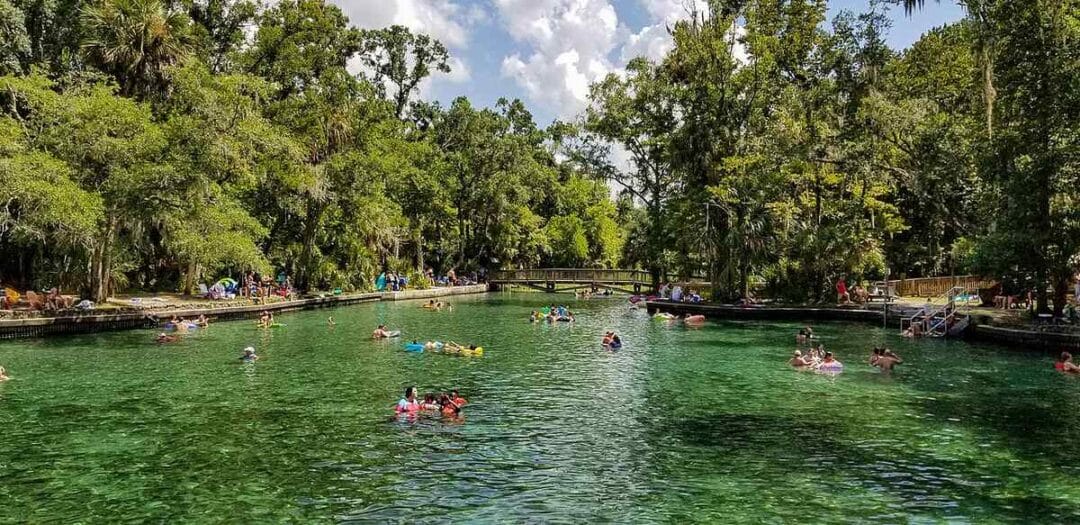
There’s a certain magic about Wekiwa Springs—maybe it’s the way sunlight filters through live oak canopies, or how 42 million gallons of crystalline water bubble up from the earth every single day. This 7,000-acre sanctuary sits just 20 minutes north of Orlando, yet feels like stepping into Old Florida: wild, lush, and teeming with wildlife you won’t find anywhere near International Drive. And while the campground is closed throughout 2025 for infrastructure upgrades, the park’s best experiences—paddling emerald waterways, swimming in 72-degree springs, and hiking through subtropical hammocks—remain wide open.
The 2025 Camping Closure: What You Need to Know
Starting January 1, 2025, Wekiwa Springs State Park closed its campground for a major waterline replacement project. This closure affects all 60 campsites, including the family loops, primitive sites, and those remote paddle-in spots along the Wekiva River. If you were planning an overnight stay, you’ll need to pivot—but honestly? A day trip here packs more adventure than most weekend getaways.
The good news: hiking trails, the main spring swimming area, kayak rentals, and concessions remain fully operational. Perhaps even better news—day-use reservations are now required from March through September, which means no more two-hour waits in traffic snaking back onto Highway 434. Book your slot 60 days in advance, show up, and you’re in.
Understanding the New Day-Use Reservation System
Starting March 12, 2025, Florida State Parks launched a pilot reservation program at Wekiwa Springs to manage overwhelming demand. On summer weekends, entrance lines used to stretch into traffic lanes—not fun when you’re hauling kayaks and coolers in 90-degree heat. Now, all visitors, including annual passholders, must reserve a time slot online before arrival.
- Booking Window: Reservations open 60 days in advance. Don’t panic if July shows “sold out” in March—the system only releases slots 60 days ahead.
- Cost: $6 per vehicle (standard Florida State Park entry fee), payable when you book.
- Same-Day Reservations: Available until capacity is reached. Call the park at 407-553-4383 if the website shows no availability—staff can clarify actual openings.
- Cancellations: Read the fine print on refund policies, especially if weather looks iffy.
Swimming in Wekiwa Springs: The Main Event
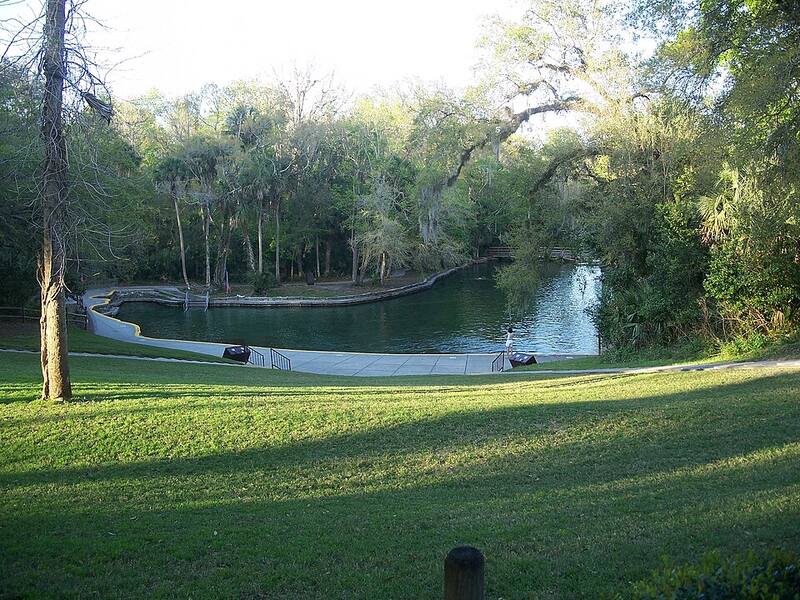
The spring itself is what draws crowds, and rightly so. Water maintains a constant 72°F year-round—blissfully cool in summer, surprisingly warm in winter. The swimming area varies from ankle-deep shallows perfect for toddlers to a 5-foot basin near the spring vent. That vent feeds into a 15–20-foot cavern, though diving or jumping is strictly prohibited due to shallow zones and submerged rocks.
Swimming Safety & Rules
- No lifeguards on duty—swim at your own risk. Non-swimmers and children should stay with adults.
- Individual flotation devices allowed; large inflatables are not.
- SCUBA diving and cave diving strictly forbidden. The cavern system extends deep underground, but it’s off-limits for liability and conservation reasons.
- Snorkeling permitted in the spring basin only—not in Wekiwa Springs Run, Rock Springs Run, or the Wekiva River.
- Swimming hours: 8 a.m. to park closing (sundown).
I’ll admit—the first time I floated on my back in Wekiwa Springs, staring up through oak branches at a cloudless sky, I understood why families have been coming here since the 1800s. The water is so clear you can count fish scales, and the gentle current nudges you toward the spring run like nature’s lazy river. Just don’t forget reef-safe sunscreen; Florida sun is no joke, even under tree cover.
Kayaking & Canoeing the Wekiva River
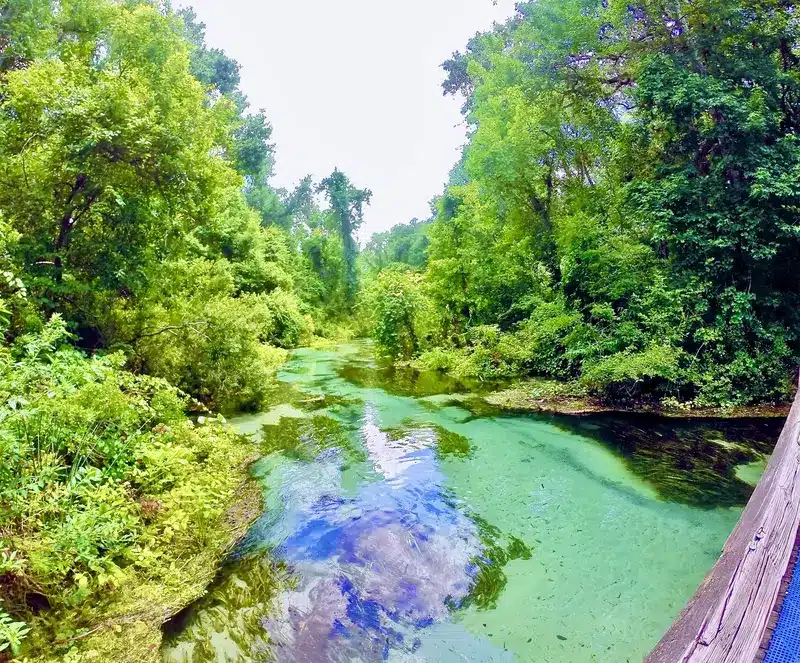
If you’ve only ever swum at Wekiwa Springs, you’re missing half the story. The Wekiva River, fed by the spring, meanders through dense subtropical forest where alligators sunbathe on logs and great blue herons stalk the shallows. Paddling here feels less like recreation and more like time travel—this is the Florida that existed long before theme parks.
Rental Options & Launch Points
- Wekiwa Springs State Park Concession: Canoes and kayaks available on-site. Single kayaks start at $35 for the first two hours; double kayaks $40. Reservations recommended on weekends.
- Wekiva Island: A private outfitter just downstream. Daily rentals (not hourly) give you flexibility to paddle all day. Launch fee: $10 weekdays, $20 weekends if bringing your own vessel.
- Self-Launch: If you own gear, launch from the park’s designated ramp. Portaging from the spring requires significant uphill/downhill hauling on uneven terrain—strong backs recommended.
Recommended Paddle Routes
Beginner Route: Wekiva Island to State Park (1 mile)
Perfect for families and first-timers. Paddle upstream from Wekiva Island to the state park spring. The current is gentle, scenery stunning, and you’ll likely spot turtles, otters, and wading birds.
Intermediate Route: Rock Springs Run Loop (4–6 miles)
Launch from the state park, paddle up Rock Springs Run to its source, then return via the Wekiva River. Expect narrow channels, overhanging vegetation, and possibly a gator or two sunning on the banks. Give them space—they’re not aggressive unless provoked.
Advanced Route: Downstream to Katie’s Landing (8+ miles)
Launch from the park or Wekiva Island, paddle downstream toward Katie’s Landing. This route offers solitude and serious wildlife viewing, but remember: the river doesn’t loop. However far you paddle down, you’re paddling back against the current.
Paddling Safety Tips
- Check water levels before launching—heavy rains can create swift currents.
- Wear a PFD (personal flotation device). Florida law requires one per person onboard.
- Bring waterproof bags for phones, keys, snacks. River splashes are inevitable.
- Respect wildlife. Alligators are common; give them 15+ feet of space. Never feed or harass them.
- Apply sunscreen and bug spray liberally—tree cover doesn’t block all UV, and mosquitoes thrive in shaded hammocks.
Hiking, Biking & Horseback Trails
Wekiwa Springs boasts 13.5 miles of multi-use trails winding through sandhills, flatwoods, and hammocks. The terrain varies from sandy uplands to mucky lowlands, so plan footwear accordingly.
Main Hiking Trail (13.5 miles)
A challenging loop ideal for experienced hikers. Expect elevation changes, exposed sun in sandhills, and shaded respite in hammocks. Bring at least 2 liters of water per person—Central Florida heat is relentless, even in winter.
Volksmarch Trail (5.3 miles)
Marked with orange diamonds, this moderate trail offers a shorter alternative. Perfect for a morning hike followed by an afternoon swim. You’ll traverse hardwood hammocks where barred owls call at dawn and deer browse at dusk.
Sand Lake Trail
Connects the main parking area with Sand Lake, a distant parking lot. Mostly flat, mostly shaded—great for casual strolls or bike rides.
Trail Tips
- Download offline maps (AllTrails, Gaia GPS) before arrival. Cell service is spotty.
- Start early. Summer afternoon heat can hit 95°F+ with humidity making it feel like 105°F.
- Watch for roots, palmetto fronds, and fire ant mounds. Florida trails aren’t always smooth.
- Horseback riding permitted on designated trails. Check park maps for horse-friendly routes.
Wildlife Viewing: What You Might See
Wekiwa Springs is a biodiversity hotspot. On a single day trip, I’ve spotted white-tailed deer, river otters, armadillos, and a barred owl perched so close I could see individual feathers. The park also supports black bears—sightings are rare but possible. If you encounter one, back away slowly, make noise, and never run.
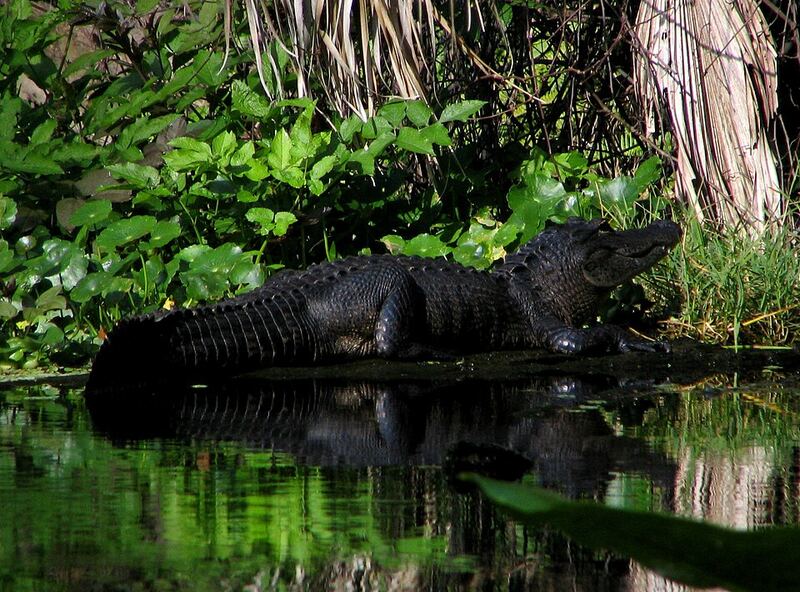
- Alligators: Ubiquitous. Expect them in waterways, sunning on banks, occasionally crossing trails. They’re generally docile unless provoked or fed.
- Wading Birds: Great blue herons, egrets, wood storks, and limpkins frequent the river.
- Turtles: Softshell, cooter, and slider turtles bask on logs.
- Otters: Playful and elusive. Early morning paddlers have the best chance of sightings.
- Black Bears: Rare but present. Store food in vehicles, not picnic tables.
Picnicking & Facilities
Wekiwa Springs offers well-maintained picnic pavilions equipped with charcoal grills, electricity, water, and tables. Pavilions can be reserved in advance for family reunions or group outings. Day-use areas include flush toilets, outdoor showers for rinsing off after swims, and a concession stand selling snacks, drinks, and ice cream.
What to Bring
- Cooler with ice—concession prices are typical park markup.
- Portable grill or camp stove if planning a cookout.
- Blankets or hammocks for lounging post-swim.
- Trash bags—pack out what you pack in. Leave no trace.
Seasonal Considerations
Summer (June–September): Peak crowds, hottest temps, afternoon thunderstorms. Arrive early (park opens at 8 a.m.) to snag parking and beat heat. The spring’s 72°F water feels incredible after a humid hike.
Fall (October–November): Mild temps, fewer bugs, lighter crowds. Ideal for hiking and wildlife photography. Fall colors are subtle in Florida, but the light is gorgeous.
Winter (December–February): Cooler air temps (50s–70s°F), but the spring stays 72°F—making it feel warm by comparison. Manatees occasionally swim up from the St. Johns River, though sightings aren’t guaranteed.
Spring (March–May): Wildflower season, perfect weather, and spring break crowds. Reserve early.
Nearby Alternatives & Day Trip Extensions
If Wekiwa Springs reservations are full, or you want to explore more of Central Florida’s natural side, consider these nearby options:
- Kelly Park/Rock Springs: 15 minutes away, offers tubing down Rock Springs Run. Primitive camping available if you’re looking for an overnight option while camping in Orlando.
- Blue Spring State Park: 30 minutes northeast, famous for winter manatee aggregations.
- Wekiva Island: Not a state park, but a fun riverside hangout with bar, grill, live music, and kayak rentals. Great for a post-paddle lunch.
Practical Logistics
- Address: 1800 Wekiwa Circle, Apopka, FL 32712
- Hours: 8 a.m. to sundown, 365 days a year
- Entry Fee: $6 per vehicle (2–8 people); $4 single occupant; $2 pedestrians/cyclists
- Pets: Allowed on leash in most areas, prohibited in swimming zones
- Parking: Ample lots, but arrive early on weekends. Overflow parking can mean a 10-minute walk to the spring.
- Cell Service: Spotty. Download maps and park info before arrival.
What I Wish I’d Known on My First Visit
Arrive before 9 a.m., especially on weekends. By 10:30 a.m., the swimming area gets crowded and parking lots fill. I once showed up at noon on a Saturday and spent 45 minutes circling for a spot—this was before the reservation system, and it was chaos.
Pack water shoes. The spring bottom is sandy, but the surrounding areas have roots and rocks. Flip-flops aren’t enough if you’re exploring beyond the main basin.
Don’t skip the trails. Everyone comes for the spring, but the trails offer solitude and wildlife encounters you won’t get poolside. I once stumbled upon a family of deer at Sand Lake, so close I could hear them chewing vegetation.
Final Thoughts: Why Wekiwa Springs Remains Essential
Even without overnight camping in 2025, Wekiwa Springs delivers an authentic slice of Florida wilderness just minutes from Orlando’s urban sprawl. It’s the antidote to theme-park overstimulation, a place where the loudest sounds are bird calls and spring water bubbling from limestone aquifers. Whether you’re paddling through ancient cypress stands, floating in crystalline water, or hiking sandhills in golden-hour light, Wekiwa reminds us why Florida earned the nickname “Sunshine State”—and why preserving places like this matters.
So book that day-use reservation, pack your cooler, and rediscover the Florida that existed long before Mickey Mouse. Just don’t forget your reef-safe sunscreen, a sense of adventure, and perhaps a waterproof camera—because trust me, you’ll want to remember this.
For more overnight camping options near Orlando while Wekiwa’s campground is closed, check out our comprehensive guide to camping in Orlando.