

If you’re looking for things to do in denver colorado, you’re probably expecting the obvious: a couple museums, maybe a brewery, then you head for the mountains. That’s not wrong. But it’s also… not the whole story. Denver has this slightly sneaky charm where a “quick walk” turns into a half-day, and a casual coffee stop becomes a neighborhood crawl (in a good way, I think).
This guide is built for real trips: a long weekend, a work conference with free evenings, a family visit where not everyone wants the same thing, or that in-between kind of trip where you want a little culture, a little outdoors, and a little “let’s just see what happens.” I’ll give you solid classics, but also the connective tissue—how to string them together so your days feel easy instead of overplanned.
One quick note before we start: Denver is both a city and a launchpad. Some of the best moments happen inside town, and some happen just outside it. I’ll help you do both without spending the whole trip in the car.

Things to do in Denver Colorado for first-timers (the “don’t overthink it” list)
If it’s your first visit, I’d aim for a mix: one museum day, one neighborhood day, one “near Denver” day. That balance keeps the trip from feeling like a checklist… even though, yes, this is basically a checklist.
Start with one big museum (and let it take its time)
Denver’s museums are strong enough that you don’t have to treat them like filler between meals. If you pick one anchor, build the day around it, then wander nearby—Civic Center Park, downtown streets, whatever pulls you in. You don’t need to “see it all.” In fact, you probably shouldn’t.
Spend an afternoon in RiNo (murals, galleries, beer, snacks)
RiNo—the River North Art District—has a very specific energy: creative, a little industrial, and genuinely fun to explore on foot. The murals are a big part of the draw, and the neighborhood is known for street art, galleries, and breweries, which makes it easy to do a low-stress “walk until you’re hungry” kind of afternoon.
If you want a simple plan: show up, wander and take photos, then settle into a food hall meal when you hit that point where you’re hungry but no one can agree on what they want. (That moment happens on almost every trip. It’s fine.)
When you’re ready to turn this into a route, my neighborhood breakdown helps: Denver neighborhoods to explore (RiNo, LoDo, Highlands).
Do one immersive, modern “only-in-Denver” experience
Meow Wolf Denver’s Convergence Station is the kind of place that makes you lose track of time. It’s an immersive, walk-through art experience—part story world, part interactive exhibit, part “wait, how did they even build this?” Their own visitor info notes that daily hours can vary and it’s highly recommended to buy tickets in advance, which matches what most people find in practice (you’ll enjoy it more when you’re not worrying about entry times).
If you’re the type who likes structure, plan for a timed entry and give yourself breathing room afterward—coffee, a casual meal, or even just a quiet walk. The sensory overload is part of the point, but it can be a lot.
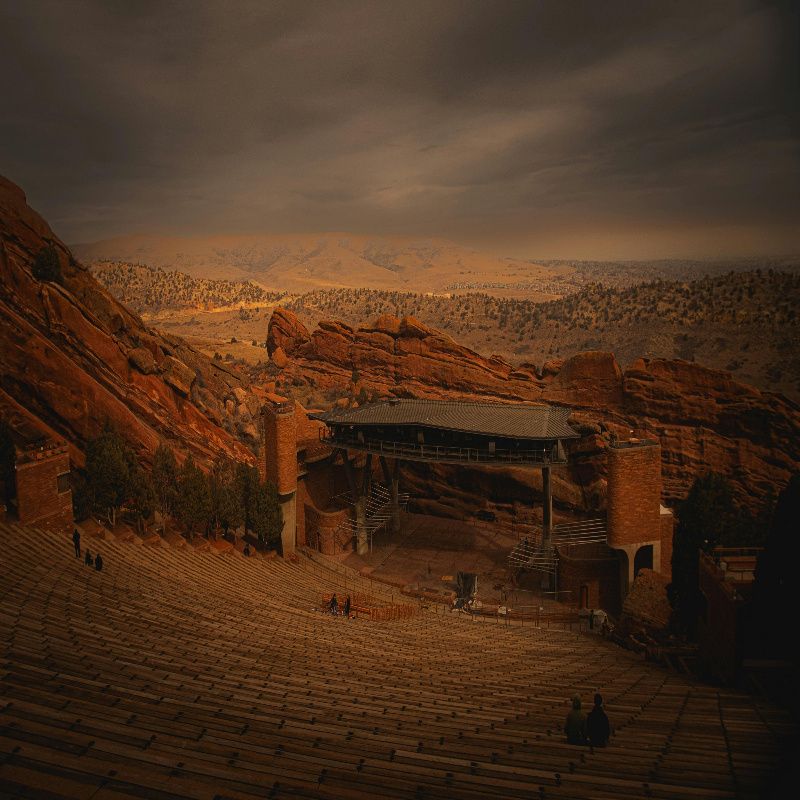
See Red Rocks even if you’re not going to a concert
Red Rocks is iconic for a reason. The amphitheatre and surrounding park are open to the public on non-event days, with the official guidance being roughly one hour before sunrise to one hour after sunset; on event days, access can change and the amphitheatre may close earlier (often around early afternoon). Admission is free for the park, amphitheatre, visitor center, and related on-site stops.
It’s one of those places where you can do as much or as little as you want: quick photos and a short walk, or a longer loop if you feel like earning dinner. And yes, the stairs will humble you. That’s part of the experience.
If you want to build a whole day around this (and a couple other easy escapes), I mapped it out here: day trips from Denver that still feel relaxed.
Pick your Denver: neighborhoods that make the city click
I’m biased toward neighborhood time in Denver. Museums are great, but neighborhoods are where the city feels like itself—especially if you’re the kind of traveler who likes to notice small things: murals changing block to block, how coffee shops fill up in the morning, the way people actually spend their evenings.
RiNo: art-first wandering (with an easy food plan)
RiNo is built for wandering. You can treat it like an open-air gallery, and you’ll still stumble into coffee, breweries, and pop-in shops without trying too hard. Visit Denver describes it as a creative district where street art and galleries are a major draw, which is exactly the vibe you’ll feel on the ground.
My honest suggestion: don’t plan every stop. Choose a rough window—say, 1–5 p.m.—and let the neighborhood decide the rest. If you get tired, that’s not failure. That’s just what walking a lot does.
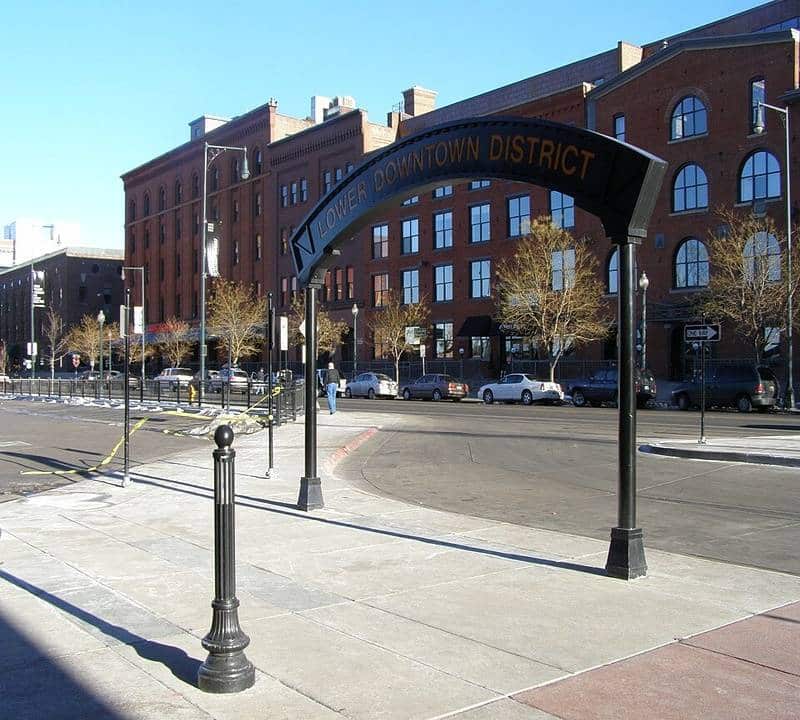
LoDo + Union Station: classic, walkable, and very “first visit” friendly
LoDo (Lower Downtown) is a good first-day area because it’s easy. You can walk, eat, and people-watch without committing to anything. It’s also convenient if you’re arriving by train or using transit as your main way of getting around.
And if you’re flying in and want to keep the trip car-light: Denver’s A Line is commonly used to connect Union Station and Denver International Airport. A few local transit guides note the trip is around 37 minutes, which is nice because it’s predictable in a way traffic simply isn’t.
If you like having a schedule (or at least the illusion of one), you’ll probably appreciate the itinerary version: a realistic Denver weekend itinerary.
The Highlands: views, a slower pace, and a good “evening plan”
The Highlands can feel like a palate cleanser after downtown—more residential, more “let’s pick a restaurant and linger.” This is a great area to aim for around sunset if you want skyline views and a slightly calmer rhythm. I wouldn’t necessarily cross the city just for it… but if you’re already nearby, it’s an easy yes.
Cherry Creek: when you want a polished afternoon
Cherry Creek is where you go when you want a more curated day: shopping, cafes, a bit of people-watching, and an overall more polished feel. It’s also a useful option when the weather is not cooperating or you want a break from walking outside.
Denver attractions that are actually worth your time
Let’s talk about “Denver attractions” without pretending every attraction is equally essential. Some are genuinely special. Others are fine, but only if they match what you like.
Art and culture (museum people, this is your lane)
If you’re an art-museum person, Denver holds up. If you’re not, you still might enjoy it—especially if you go in with a lighter goal like “find five pieces you like” instead of “see every gallery.” That tiny mindset shift makes museums feel less like homework.
And if you’re traveling with someone who’s skeptical about museums, I’d pair the museum with something that feels more immediate afterward: RiNo murals, a food hall, or a short walk in a park. It keeps the day balanced.
Science, nature, and kid-friendly picks
Denver is a strong city for families because you can mix hands-on indoor attractions with outdoor time without overcommitting. A zoo or science museum day works well here, especially if you put it early in the trip when energy is higher. Later days can be more flexible: parks, neighborhoods, and short drives.
One small, practical note: if you’re doing kid-focused attractions, aim for earlier time slots. Crowds build, attention spans fade, and you’ll enjoy it more when you’re not fighting for space.

Food halls and “easy group meals”
Food halls sound trendy, and sometimes they are. But honestly, they’re also just practical. If your group is hungry and indecisive (or you’re traveling with kids, or dietary preferences, or jet lag), a food hall is the easiest way to keep everyone happy without turning lunch into a negotiation.
Use them as a reset button. Grab something, sit down, make a rough plan for the next couple hours. Or don’t. Sometimes the best plan is letting lunch run long.
Free things to do in Denver (and low-cost ideas that feel like a win)
I’m always a little suspicious of “free things to do” lists because they sometimes stretch the definition of free. But Denver genuinely has a few easy wins: parks, public art, neighborhood murals, and scenic walks that don’t require tickets or reservations.
Public art and photo spots
Downtown public art is an underrated way to fill an hour between bigger plans. It’s low pressure, it’s naturally social (everyone pauses, takes a photo, moves on), and it gives the day some texture. If you like photography at all, you’ll find plenty to work with.
Parks and river trails
Confluence Park and the riverfront trails are an easy “no ticket, no stress” option. Even if you don’t bike, it’s a good place to walk off a big meal or reset your mood if you’ve been indoors all day. And yes, sometimes that’s the main point.
Things to do in Denver in winter (and when the weather has opinions)
Winter in Denver can be bright and mild… until it isn’t. The good news is that the city makes it easy to pivot. You can plan an outdoor morning and keep an indoor backup that still feels like a real day, not a consolation prize.
My favorite winter strategy: one outdoor block, one indoor anchor
If the day looks crisp and sunny, do your outdoor walk early—parks, neighborhoods, viewpoints—then head indoors for your “anchor” attraction: a museum, an immersive art experience, or a long lunch that turns into an afternoon. If the weather shifts (it happens), you’ve already banked your outdoor time.
Red Rocks in colder months (still worth it, just be flexible)
Red Rocks is open year-round, but winter visits are all about timing and conditions. The official park guidance still centers on daylight access—roughly one hour before sunrise to one hour after sunset on non-event days—and the visitor center runs on seasonal hours. If the steps feel icy or the wind is intense, don’t force it. You can still get the views and leave with your dignity intact.
Day trips from Denver that don’t feel like a marathon
This is where people go wrong: they try to do too much, too far away, too quickly. Denver’s best nearby trips are the ones that give you a change of scenery without turning the day into a driving challenge.
Red Rocks + a nearby town (a very natural half-day)
You can visit Red Rocks for a couple hours, then roll into a nearby town for a meal and a slow walk—no pressure, no racing daylight. On non-event days, the amphitheatre access is based on the sunrise/sunset window; on event days, the amphitheatre can close early, so it’s smart to check ahead.
If you want a few more options that stay easy, I wrote a dedicated guide with “how long it actually takes” baked in: day trips from Denver (1–2 hours, no stress).
If you’d rather stay in the city, that’s not “wasting the trip”
I’m going to say something slightly contradictory, because it’s true: yes, Denver is an amazing base for day trips. But also, you don’t have to leave the city to have a great visit. If the weather is perfect, sure—go. If you’re tired, or you’re traveling with kids, or you just love wandering neighborhoods, staying in Denver can be the better choice.
How to plan a Denver weekend itinerary (without overplanning)
Most people don’t need a minute-by-minute schedule. They need a “shape” for the day. Here’s a simple way to think about it:
- Morning: a walkable neighborhood or a park (energy is higher, crowds are lower).
- Midday: your main attraction (museum, zoo, immersive art) plus an easy lunch plan.
- Evening: something that can stretch—dinner, live music, a brewery, a long wander.
If you want a fully built version (with options for car-free travel and winter swaps), use this: Denver weekend itinerary with flexible pacing.
Small practical tips that make your trip smoother
I’ll keep this part short, because it’s not the fun part. But it’s the part that saves you time.
Getting around: car-free is possible, car-light is easy
If you’re mostly staying in central Denver, walking and transit can cover a lot. And if you’re flying in, the A Line connection between Union Station and DEN is commonly described as taking about 37 minutes, which helps you plan arrivals and departures without guessing traffic.
If you’re doing Red Rocks or multiple day trips, a car starts to make more sense. Still, I’d be selective. You don’t need to drive everywhere, every day.
Tickets and timing: book the “popular but timed” stuff
Some attractions are better with advance tickets, not because you can’t get in otherwise, but because it removes friction. Meow Wolf’s own guidance says daily hours can vary and it’s highly recommended to purchase tickets in advance, which is exactly the kind of advice that keeps a day from getting derailed.
For Red Rocks, remember the event-day caveat: the amphitheatre can close early, sometimes around early afternoon, and official guidance suggests checking event-day access info ahead of time.
Conclusion: making your Denver list feel like your trip
If you’re building your list of things to do in denver colorado, I’d start simple: choose one museum you’re genuinely excited about, pick one neighborhood day (RiNo is an easy win), then add one nearby escape like Red Rocks. From there, let the trip breathe a little. Leave space for a long lunch, for a random mural detour, for the kind of “we’ll just walk for 20 minutes” decision that turns into your favorite memory.
And if you want the easiest next step, take the itinerary route: a realistic Denver weekend itinerary. It’s the same guide, just organized the way you’d actually use it while traveling.