
Introduction
I still remember the first time I spotted a pulmonía, glinting under the Mazatlán sun—its bright body, the breeze rustling through its fringe, and that instant thought of, “Okay, this… this is different.” Maybe it was the carefree hum of the engine, or the way locals waved at us as we climbed on. Either way, pulmonías are more than just a way to get around; they’re an emblem of this seaside city’s laid-back spirit. Perhaps I’m getting ahead of myself, but stick with me—by the end, you might just decide to skip the taxi and hop on one of these vivid carts yourself.
This guide—I’ll try not to ramble too much, promise—will take you from “What on earth is a pulmonía?” through routes, fares, safety pointers, and all the little insider tips that can make your ride feel effortless. Whether you’re here for carnival, Semana Santa, or just chasing the perfect sunset, I think you’ll find these tidbits handy. And hey, feel free to skim ahead if you’re in a hurry, though I have a hunch the full story’s worth it.
What Are Pulmonías? A Brief Introduction
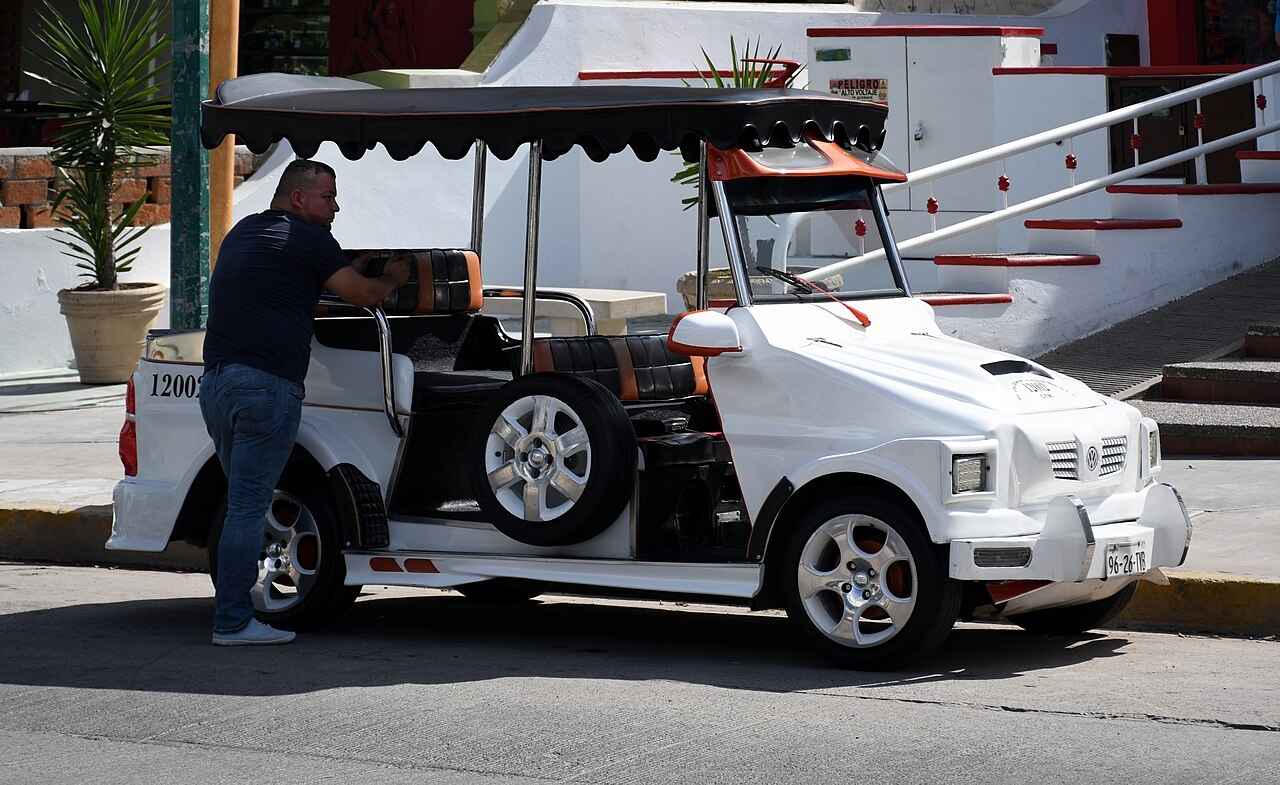
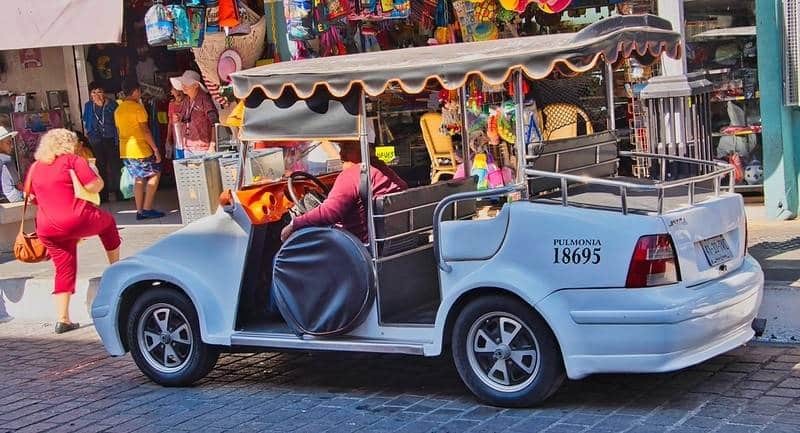
At its core, a pulmonía (pronounced poo-loh-NEE-ah) is an open-air—or sometimes half-covered—cart, similar to a cheerful golf cart. They seat between four and eight people, with facing benches, and often sport canopies or plastic curtains for sun or rain protection. Some run on gas, others on electric power; either way, they’re compact, nimble, and hard to miss in a swirl of color.
But those specs don’t capture the real magic. Pulmonías are Mazatlán’s answer to both practicality and flair—vehicles that started off ferrying beachgoers a short hop, then evolved into a bona fide icon. Drivers—pulmoneros—often personalize their carts with murals of tropical birds, glittering patterns, or cheeky slogans like “¡Sube y goza!” (“Hop on and enjoy!”). It’s transport, yes, but also a moving canvas, a conversation starter, and sometimes, if you’re lucky, a personal tour of hidden gems.
A Quick Dip into History
The pulmonía story runs back to the mid-1900s, when the city’s pulseras (leather-and-shell bracelets) and palapas (thatched beach umbrellas) were already staples. Hotels near Olas Altas needed a breezy shuttle for guests—enter the humble cart. Over decades, locals adopted them for short hops in downtown, the Malecón, even market runs. By the late ’80s, their popularity soared, and today, they’re as Mazatlán as the Pacific waves themselves.
Why Choose Pulmonías over Other Options?
Okay, I admit there are plenty of transport choices: taxis, Ubers, buses, even scooters if you feel adventurous. But pulmonías hold a special spot—here’s why:
-
Fresh Air and Scenery
Let’s face it, a closed-in cab can feel stifling, especially under the sun. Pulmonías let you soak in the breeze, watch street life up close, and maybe catch a whiff of grilled elote as you pass a vendor.
-
Budget-Friendly
Typically cheaper than taxis—though not quite as cheap as the bus—they strike a nice middle ground. You’re paying for speed, convenience, and experience.
-
Cultural Immersion
You’re not just coasting down the street; you’re joining locals who chat, laugh, sometimes belt out old ballads (yes, really). It’s transport with a side of community.
-
Instagram-Worthy
If you’re into photos, these carts—decked out in neons, streamers, sometimes even fairy lights—are irresistible. Prepare for at least one mid-ride selfie.
(And confession time: I once chose a pulmonía over dinner, just because it was that charming.)
Routes and Operating Zones
Here’s where it gets practical: pulmonías follow fixed zones and circuits. Unlike a taxi, you can’t just point and ask for a drop-off at your Airbnb. Instead, learn the routes, pick the right zone, and you’re set.
Main Service Areas
1.Golden Zone & Historic Downtown
- Loops around Plaza Machado, the cathedral, and the Angela Peralta Theater.
- Great for museum hops, café crawls, and evening strolls under fairy-lit trees.
2.North Beach to South Beach Corridor
- Runs from Playa Olas Altas past Playa Gaviotas and up to Playa Cerritos.
- Perfect for sunseekers or surfers wanting quick beach-to-beach access.
3.Market & Tourist Hotspots
- Circuits that swing by Mercado Pino Suárez, the Aquarium, and Parque Ciudades Hermanas.
- Ideal if you’re hauling souvenirs or aiming for a museum day.
Operating Hours
- Weekdays: Roughly 8 AM–9 PM.
- Weekends & Holidays: Extended to about 11 PM, especially during Carnaval (late February) and Semana Santa (March/April).
- Peak Season: In winter breaks, there can be early morning runs (7 AM) and late-night spins (midnight), but check locally—schedules shift.
(Pro tip: On Carnaval nights, pulmonías might become unofficial party floats. If you want the full fiesta vibe, flag one down. If not, maybe stick to taxis.)
Where to Catch One
- Malecón near the Angela Peralta Theater: Hard to miss.
- Intersection of Constitución & Independencia: Right in front of cafés.
- Outside Mercado Pino Suárez: After you finish bargaining for chilé seco.
- Beachfront Hotel Stands in Golden Zone: Many hotels post little wooden signs.
And honestly, if you hear a distinctive motor whirr and see flashes of color, wave your hand and they’ll usually swing by—just make sure it’s the right route.
Fares and Payment Methods
Pulmonías keep it simple but, like any good local business, fares can vary by season, time of day, even the pulmonero’s mood. Here’s a rough 2024 snapshot:
- Short downtown hops (within Golden Zone): 20–40 MXN (~$1–$2 USD).
- Longer rides (Golden Zone ↔ North Beach): 50–80 MXN (~$2.50–$4 USD).
Cash Is King
Almost all pulmonías are cash only. A brave few have QR codes for digital pay, but don’t count on it. ATMs are plentiful, but carry small bills—20 MXN notes are your best friends.
Avoiding Overcharge
Confirm Price Before Boarding
- A quick “¿Cuánto a [destination]?” is polite and practical.
- Peer Check
Look at fellow passengers: if someone just hopped off, ask, “How much did you pay?” - Stick to Zones
Straying off the usual loops can bump your fare—drivers sometimes justify it as “un kilometraje extra.”
(Note to self: “just part of the adventure” is a phrase I’ve uttered too often after realizing I paid extra.)
Safety Tips for Riding Pulmonías
I get it—they’re fun and breezy, but let’s keep it smart:
- Daylight over Darkness: After around 9 PM on weeknights, or midnight on weekends, traffic thins. Best to buddy up or choose a taxi.
- Driver Credentials: Official pulmonías usually display a permit or badge. If you see nothing, maybe wait for the next one.
- Hold On: The open sides can catch loose hats or scarves. Tuck valuables close and keep a grip.
- Watch Your Route: If the driver takes an odd detour, politely ask, “¿Esta ruta va directo a [destino]?”
Common Tourist Scams
- Inflated Fares: Pretended unfamiliarity with zones. Counter with map checks or ask another driver.
- Phantom Stops: Announcing “one minute” stops that somehow add hefty charges. Stay vigilant—don’t let your driver wander far.
(True story: I once saw a pulmonía driver pick up a stray puppy mid-route. Adorable, until the pup jumped off at the next stop and vanished into the market crowd.)
Pros and Cons: Pulmonías vs. Taxis, Ubers, and Buses
Let’s not pretend everything’s balanced—life’s messier than that. Here’s a quick, imperfect look:
| Option | Cost | Experience | Flexibility |
|---|---|---|---|
| Pulmonías | ★★☆☆☆ (Low) | ★★★★☆ (Colorful, scenic) | ★★☆☆☆ (Fixed loops) |
| Taxis | ★★★★☆ (Mid) | ★★★☆☆ (Standard, AC) | ★★★★★ (Door-to-door) |
| Uber | ★★★★☆ (Mid) | ★★★☆☆ (Predictable, private) | ★★★★★ (Door-to-door) |
| Buses | ★☆☆☆☆ (Cheapest) | ★☆☆☆☆ (Crowded, multiple stops) | ★★★☆☆ (Frequent but fixed) |
- Pulmonías: You trade direct drop-offs for a breezy, immersive ride.
- Taxis/Uber: You pay more for comfort, privacy, and precise pick-ups.
- Buses: You save money but brace for crowds and slower travel.
(I once squeezed onto a bus so packed, I felt like a sardine. Pulmonías feel downright roomy by comparison.)
Riding Pulmonías Like a Local
Ready to blend in? Here are some touches:
1.Learn a Few Phrases
- “¿Va para [destination]?” (“Does this go to…?”)
- “¿Me puede esperar un momento?” (“Can you wait a moment?”)
- “Gracias”—never hurts.
2.Time It Right
- Midday Lull (12–2 PM): Drivers often rest; waits can stretch.
- Magic Hour (5–7 PM): Cooler air, golden light, but more riders.
3.Tipping
- Not mandatory, but rounding up by 5 MXN or so is customary.
- Extra tip if they tote your bags or share local tips.
4.Chat It Up
- Most pulmoneros are chatty—ask about hidden beach bars or sunrise viewpoints.
(One afternoon, my driver recommended a tiny family-run taco stand. Best al pastor I’ve ever tasted—no signage, just a cart and a faithful line.)
Frequently Asked Questions
Are pulmonías safe for kids?
Generally, yes—especially daytime rides. Just keep little ones seated and hands inside.
Can I rent a private pulmonía?
Sure thing. Some drivers offer private hire—great for photo tours or small group outings. Expect roughly $20–$30 USD/hour.
What if I leave something behind?
First, circle back quickly; many routes loop back. Failing that, ask at a nearby pick-up point or the local transit office.
Do they run in rain?
Yes—many have plastic side curtains. Still, if the wind’s wild, you might get sprayed. Carry a small poncho or choose cover.
Key Takeaways
- Unique & Affordable: Pulmonías blend cost-effectiveness with an authentic, breezy vibe.
- Fixed Routes: Learn the zones to avoid surprises—Golden Zone, Beach Corridor, Market Circuits.
- Stay Safe: Ride by day, confirm fares, secure valuables.
- Local Tricks: Master basic Spanish phrases, ride during off-peak, tip small amounts, and chat up your driver.
Conclusion
Riding a pulmonía in Mazatlán feels a bit like stepping into a moving postcard—vibrant colors, ocean breezes, friendly chatter all around. Sure, sometimes you’ll pay a peso more than expected or hang on tight when a gust hits, but that’s part of the charm. So next time you’re wandering the Malecón or exploring the plazuelas, pause—wave down a pulmonía, slide into one of those benches, and let Mazatlán’s heartbeat accompany your journey.
I’d love to hear your stories: maybe you discovered a secret snack stand mid-ride, or perhaps a local serenaded you with a canción. Share in the comments below—because, after all, these little carts aren’t just transport; they’re portable memories waiting to be made.


What do you think?