
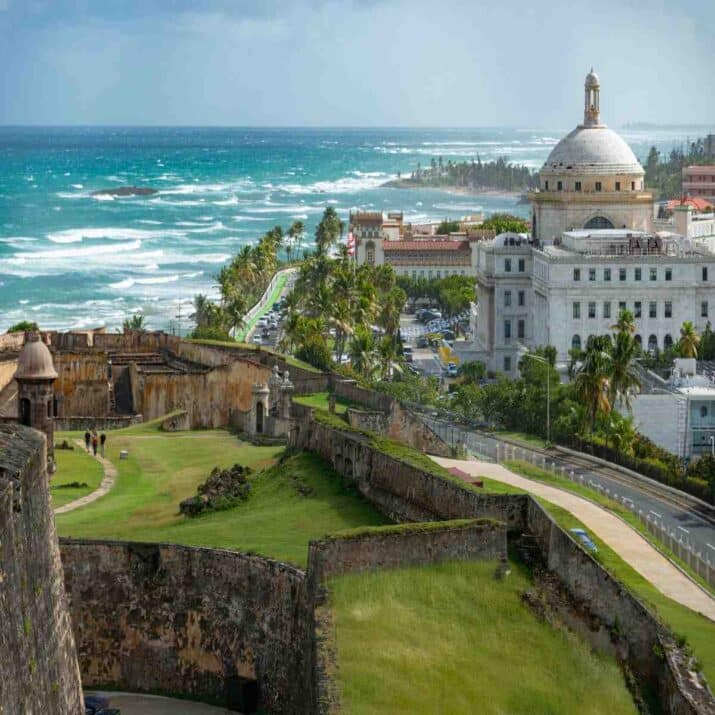
If you’re looking for things to do in Puerto Rico and trying to narrow down where to start, San Juan is the easiest answer. Not because it has everything—no city really does—but because it gives you history, beaches, walkable neighborhoods, and enough variety that a first trip can feel full without becoming complicated. That matters more than people admit. A trip can be “packed” and still feel oddly thin if you spend half of it in transit.
This guide focuses on San Juan for travelers who want a realistic two-day plan, plus enough flexibility to stretch it into three days if the mood changes. It also works as a companion to the broader things to do in Puerto Rico guide, especially if you’ve already decided that Old San Juan and a few easy city wins are going to anchor the trip.
Why San Juan works so well for a first trip
San Juan has momentum. That’s the simplest way I can put it. You can do something meaningful in the morning, pause in the afternoon, and still have a good evening without a lot of extra planning. Some destinations ask you to commit to one big thing per day. San Juan is a little more forgiving than that.
It also gives you the most obvious introduction to Puerto Rico’s layered history. The National Park Service says San Juan National Historic Site includes Castillo San Felipe del Morro, Castillo San Cristóbal, most of the city walls, the San Juan Gate, and Fort San Juan de la Cruz across the bay. So even if you only have a short trip, you’re not just “seeing a fort.” You’re stepping into a much larger defensive system that shaped the city itself.
Start with Old San Juan, even if you think it sounds obvious
Old San Juan is one of those places that risks sounding overhyped until you’re actually there. Then the blue cobblestones, the painted buildings, the sea breeze, the steep streets, all of it starts working on you a little. It doesn’t feel polished in a theme-park way. It feels lived in, which is better.
San Juan National Historic Site is the anchor experience
If you only pick one headline activity in the city, make it San Juan National Historic Site. The site preserves the major fortifications of Old San Juan, including Castillo San Felipe del Morro and Castillo San Cristóbal, and the National Park Service positions it as the core historic experience in the city. That’s not just institutional language, by the way. It really is the thing that gives the rest of Old San Juan context.
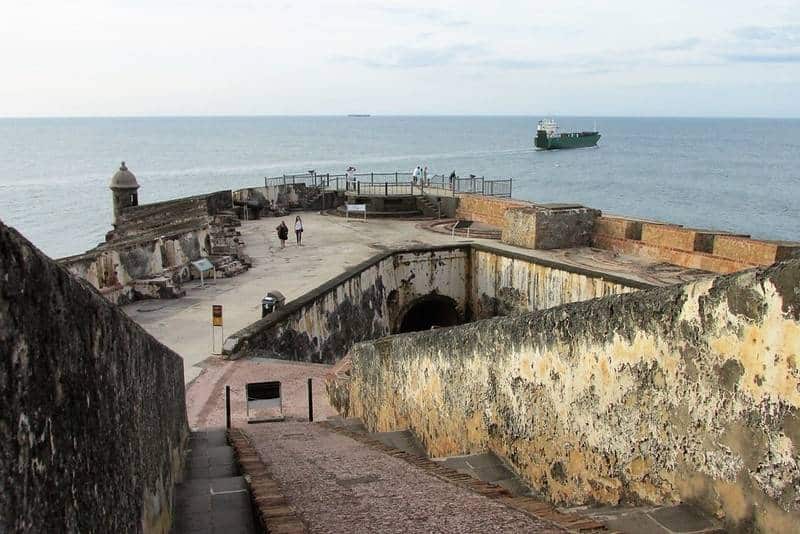
I would not rush this. People often assume they’ll “see El Morro,” take a few photos, and move on in under an hour. Usually they stay longer. The scale is bigger than expected, the views are better than expected, and once you start wandering ramps, sentry boxes, and lookout points, time slips a little.
El Morro and San Cristóbal are not duplicates
This is worth saying because first-time visitors sometimes pick one fort and assume the other is basically more of the same. It isn’t. The National Park Service explains that Castillo San Felipe del Morro guarded the entrance to San Juan Bay from sea attack, while Castillo San Cristóbal defended the city from landward attack. San Cristóbal also covers 27 acres and is described by the Park Service as the largest fortification built by the Spanish in the New World.
So if you can visit both, do it. El Morro tends to get the postcard fame, but San Cristóbal has a different feel—broader, more sprawling, a bit more surprising in places. I think some travelers end up preferring it, quietly.
How long to allow
Give the forts at least half a day, and a fuller day if you want to move slowly, stop for food, and walk sections of the city walls. The Park Service’s “Things To Do” page specifically suggests exploring the forts, walking the trails, going through tunnels, visiting sentry boxes and WWII lookouts, and even picnicking or flying a kite near El Morro. In other words, this area supports more lingering than people expect.
If your energy tends to fade in the heat, start early. Not because that advice is glamorous—it isn’t—but because San Juan afternoons can flatten even well-intentioned plans. Start with the heavier walking first, then let lunch and shade become part of the experience rather than a recovery mission.
A realistic 2-day San Juan plan
This itinerary is built for travelers who want a good trip, not a heroic one. You can tighten it, expand it, ignore parts of it. That’s fine. Honestly, that’s probably best.
Day 1: Old San Juan, done properly
Start with Castillo San Cristóbal in the morning if you want a more structured historical entry point. The Park Service notes that the current visitor center is there, and the theater shows a film in English and Spanish about the history of the park. Beginning here can help the rest of the day click into place a little more easily.
From there, walk through Old San Juan rather than treating every block like a checklist stop. You’ll naturally pass plazas, churches, small shops, and those familiar bright facades that somehow look better in person than they do online. There’s value in letting the city reveal itself between the major sights.
Later, head toward El Morro. The approach alone is part of the experience. The Park Service describes the esplanade in front of El Morro as a good spot for family activities and kite flying, and it mentions Paseo del Morro as a trail area with views across the bay and the Atlantic. If you have energy left, walk a little farther than you meant to.
For a broader planning framework beyond the city, this day works especially well when paired with the main things to do in Puerto Rico guide, because that helps you decide whether San Juan is your whole trip or just your opening chapter.
Day 2: Beaches, neighborhoods, and an easier pace
Your second day should feel lighter. Discover Puerto Rico highlights several city beaches, including Condado Beach, El Escambrón, and Ocean Park Beach, and notes that they support everything from swimming and paddleboarding to snorkeling and diving depending on the beach. For most travelers, the point is simpler than that: pick one beach and keep the expectations modest.
Condado is easy to combine with the city and tends to suit travelers who want convenience. Ocean Park often feels more relaxed. El Escambrón, which Discover Puerto Rico notes is a Blue Flag beach, is a strong option if you want a beach that still feels like part of a sightseeing day rather than a full escape.
In the afternoon, you can choose a neighborhood wander instead of another “big attraction.” San Juan doesn’t always need to be optimized. Sometimes the right move is a lazy lunch, a coffee, and a walk that doesn’t produce anything especially dramatic except a better mood.
What else to see in Old San Juan
The forts are the anchor, yes, but they’re not the whole city. One of the pleasures of Old San Juan is how tightly history is layered into everyday streets.
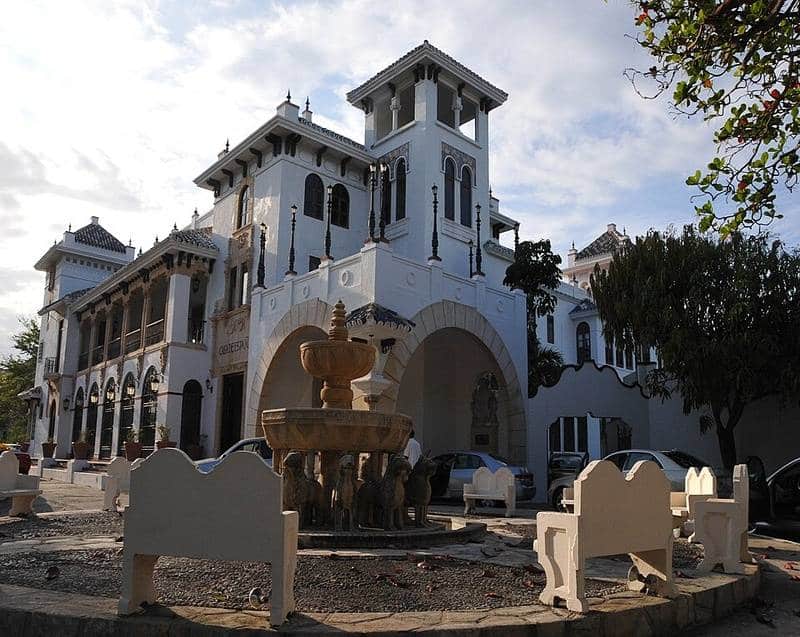
Museo Casa Blanca
Discover Puerto Rico describes Museo Casa Blanca as the one-time residence of the family of Juan Ponce de León, built in 1521. It’s a good stop if you want a break from military history and something a little more domestic, quieter, maybe more intimate. Not everyone needs every museum. But this one fits naturally into the neighborhood.
San Juan Cathedral
Discover Puerto Rico notes that Catedral de San Juan Bautista is among the city’s standout historic landmarks and describes it as one of the oldest cathedrals in the United States. Even if you’re not someone who plans trips around churches, it’s hard to ignore the historical weight in a city like this. Pop in if you’re nearby. That’s enough.
Paseo de la Princesa and the city walls
If your first day gets overtaken by fort time—and it might—save this for later. Discover Puerto Rico describes Paseo de la Princesa as a scenic promenade with views of San Juan Bay, plus access to the old city gate area. It’s the kind of place that works well in the late afternoon, when the city starts to soften a little.
San Juan after dark: keep it simple or lean into it
One thing San Juan does well is give you options at night. You can make the evening very easy or very social, and neither one feels like a wasted opportunity.
La Placita for energy
La Placita de Santurce has a long history as a market square, and Discover Puerto Rico notes that it comes alive in the evening starting around 6:00 p.m. If you want music, movement, and a more social atmosphere, this is the obvious pick. It can be a lot, depending on your mood, but that’s also why people remember it.
A quieter evening is not a lesser evening
After climbing, walking, and sightseeing in the heat, a calm dinner and a short stroll may be exactly the right call. I say this because travelers sometimes feel they need to “make the most” of every night. You are still making the most of it if you sit somewhere pleasant and stop moving for a while.
Practical tips that make San Juan easier
These are not glamorous tips. They are, unfortunately, the kind you end up being grateful for.
Check hours and fees before you go
The Park Service maintains a live “Plan Your Visit” section for San Juan National Historic Site, including basic information, maps, fees, directions, and operating hours. This matters because opening details, entrances, and logistics are the kind of things people assume will stay stable until the exact day they don’t.
Use the right drop-off points
The Park Service directions page includes specific GPS coordinates and ride-hailing pickup and drop-off notes for both San Cristóbal and El Morro. This is helpful in a very unromantic but very real way. Getting close is not the same as arriving well, especially in a dense historic area with hills and foot traffic.
Wear better shoes than you think you need
Not hiking boots. Just shoes with grip and some forgiveness. Between old streets, inclines, and long fort walks, your feet do more work than the photos suggest.
How many days should you stay in San Juan?
For most first-time visitors, two to three days in San Juan is a good balance. Two days gives you the core experience: the forts, Old San Juan, one beach, one evening out. Three days gives you breathing room, which perhaps is the more valuable thing.
If the rest of your trip includes the rainforest or a bioluminescent bay, San Juan works best as your opening base. From there, you can branch into the next layer of the trip. If that’s your plan, weave this city guide into the broader things to do in Puerto Rico article, and then use the dedicated things to do in puerto rico at El Yunque guide when you’re ready to map out your rainforest day.
Who this San Juan guide is best for
This version of San Juan is best for first-time visitors, couples, friends traveling together, and solo travelers who like a trip with texture but not too much friction. It’s also a good fit for people who don’t want to rent a car right away. You can get a lot out of the city before adding bigger island logistics.
If your heart is set on a glowing-water night, then San Juan also pairs well with the next-step planning in things to do in puerto rico: which bioluminescent bay to book. That’s where the trip starts feeling less like a city break and more like Puerto Rico in full.
Conclusion: San Juan is the easiest place to begin
If you’re building a first itinerary around things to do in Puerto Rico, San Juan is the easiest place to begin because it gives you a lot quickly: the forts, the views, the history, the neighborhoods, and enough flexibility that you can shape the city around your own energy. Start with Old San Juan, give the forts more time than seems necessary, and let your second day be lighter than your first. That balance tends to work.
And if you’re planning the rest of the island afterward, move next to the full things to do in Puerto Rico guide, then map your nature day with things to do in puerto rico at El Yunque or your evening adventure with things to do in Puerto Rico: bioluminescent bay guide.