

If you’re searching for things to do in puerto rico, you probably want two things at once: the “don’t-miss” highlights and a plan that feels realistic. Not the kind where you spend half your trip in the car, hungry, squinting at your phone, wondering why you thought you could do the rainforest, a beach day, and Old San Juan all before dinner. I get it. Puerto Rico looks small on a map, but it has enough variety that your best move is choosing a few anchor experiences and building around them.
This guide is designed for first-time visitors who want a little structure (helpful), but not a rigid schedule (often exhausting). I’ll give you a short list of top experiences, then a “choose-your-own-adventure” approach by region, plus a few honest planning notes that can save you hours.
Things to do in Puerto Rico (the best, not just the most)
Here’s the tight version first. If you only do a handful of things, aim for these. And yes, I’m going to sound slightly opinionated: Puerto Rico is at its best when you combine history, water, and one truly special night experience.
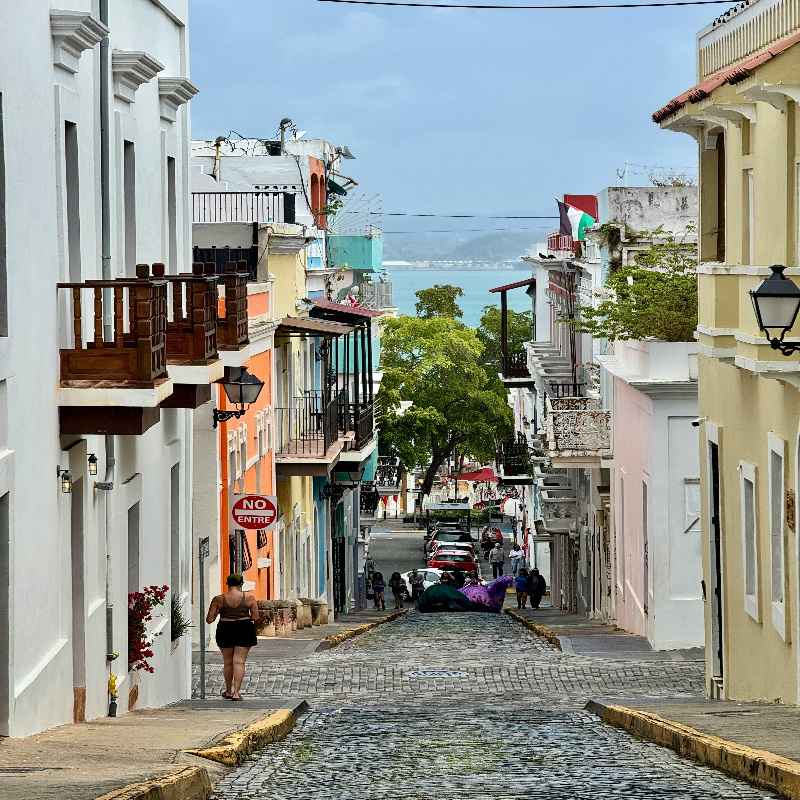
1) Walk the forts in Old San Juan (and let it take longer than you think)
San Juan National Historic Site preserves a big slice of the Spanish colonial fortification system in Old San Juan, including Castillo San Felipe del Morro and Castillo San Cristóbal. It’s one of those places where photos don’t fully explain the scale, so give yourself time to wander and double back—there are angles, tunnels, and breezy overlooks that you’ll miss if you treat it like a quick stop. If you want a deeper, step-by-step city plan, I’d build your San Juan days around this companion guide: things to do in puerto rico in San Juan (2-day plan).
2) Do El Yunque as a true day trip (and pick the corridor that fits your style)
El Yunque National Forest is Puerto Rico’s signature rainforest day. What most people don’t realize until they’re already tired and sweaty: the Forest Service organizes recreation options by “corridor,” and some entrances don’t require reservations. The USDA Forest Service lists corridors like Road 191 North (La Mina Recreation Area) plus Road 988 (Luquillo entrance), Road 186 (El Toro Scenic Byway), and Road 191 South (Naguabo), noting that several of those do not require a reservation.
If you want the most “classic” tourist corridor, you’ll probably look at La Mina. But check the official status before you go—access policies can change. Recreation.gov also posts operational notes for the La Mina Recreation Area (including hours and reminders to park only in designated areas), and it has previously stated that the reservation system can be suspended and entry may move to first-come, first-served. If you’d like a practical itinerary that doesn’t assume you’re an ultrarunner, here’s the cluster post: things to do in puerto rico at El Yunque (realistic day plan).
3) Plan one bioluminescent bay night (it’s not hype… mostly)
Puerto Rico is home to three bioluminescent bays—Mosquito Bay (Vieques), Laguna Grande (Fajardo), and La Parguera (Lajas). Each one gives you that surreal “glowing water” moment, but the logistics and vibe vary. Discover Puerto Rico describes experiences like kayaking through mangrove-lined waters and even a night swim, depending on the bay and tour format.
One practical note that matters: some guides emphasize that La Parguera is the only bay where swimming is allowed, while Laguna Grande is often the easiest mainland option from the San Juan area. And yes, you’ll hear Mosquito Bay called exceptionally bright. If you want help choosing based on where you’re staying and how much transit time you can tolerate, use this: things to do in puerto rico: which bioluminescent bay to book.
4) Give yourself one “simple beach day” with no ambition
This sounds obvious, but it’s the first thing people accidentally remove from the plan. Puerto Rico has beach options everywhere—what you’re really scheduling is rest. Pick a beach day where the only “activity” is swimming, reading, maybe an early dinner. You’ll enjoy the rest of the trip more, and you’ll stop resenting your own itinerary.
5) Take at least one day that’s not San Juan
San Juan is a strong base, especially for a first trip. Still, the island’s magic is how quickly the scenery changes—rainforest, dry southern landscapes, small towns, quiet coastlines. If you can handle even one overnight away from the capital, your trip feels less like a city break and more like Puerto Rico.
How to plan Puerto Rico without overplanning
I think the best approach is picking two “bases” (three if you have 10 days). That way you’re not checking in and out constantly, but you also aren’t doing three-hour drives just to eat dinner where you started. It’s a small island, yes. But roads, parking, and the simple fact that you’ll want to stop for viewpoints… it all adds up.
Here are a few planning principles that keep things sane:
- Anchor your trip with three non-negotiables: Old San Juan forts, El Yunque, and one bioluminescent bay night are a solid “first-timer trio.”
- Group by region: Don’t bounce east-west-east on consecutive days unless you truly love driving.
- Expect weather to rewrite a day: Rainforest and water activities can shift quickly; keep one flexible day.
- Book the “scarce” items early: Bio bay tours and certain forest access systems can be the first to sell out or change.
San Juan and Old San Juan: history, views, and easy wins
San Juan is the easiest first base because it has layers: history, restaurants, beaches, nightlife, and day trips. It also has something underrated—momentum. You can do a lot without feeling like you’re “committing” to a long transit day.
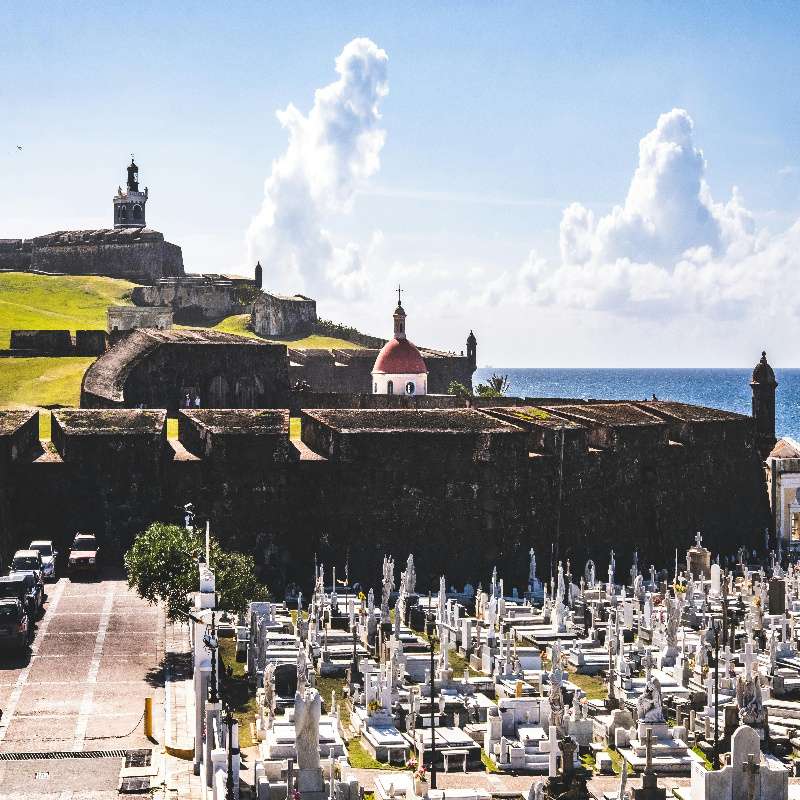
Start with San Juan National Historic Site (El Morro + San Cristóbal)
The National Park Service describes San Juan National Historic Site as preserving stories and places tied to centuries of history, and it includes major fortifications such as Castillo San Felipe del Morro and Castillo San Cristóbal (plus other defensive structures). UNESCO also lists “La Fortaleza and San Juan National Historic Site in Puerto Rico” as a World Heritage property that includes key fortifications like San Felipe del Morro and San Cristóbal.
My advice is simple: go early, wear shoes you trust on uneven ground, and don’t rush to “finish.” The forts reward slow wandering—especially when the light changes and the ocean wind picks up. If you want a clean two-day structure (with a pace that leaves room for coffee and wandering), follow: things to do in puerto rico in San Juan.
Build in a low-stakes evening
After fort walking, you may feel surprisingly tired. It’s heat plus stairs plus the way you unconsciously tense your shoulders when you’re sightseeing. Plan an evening that’s nearby and easy—dinner, a short walk, maybe a calm bar. You’ll do “more” by doing less.
El Yunque: rainforest without the chaos
El Yunque can be a dreamy day… or it can be a frustrating one if you arrive late and try to force every stop into a single afternoon. The USDA Forest Service notes that recreation opportunities are organized by corridor, including Road 191 North (La Mina Recreation Area) and several other corridors that do not require reservations (Road 988, Road 186, and Road 191 South).
Pick your entry corridor first (seriously)
This is where people get tripped up. They search “El Yunque,” see a beautiful photo, and assume there’s one main entrance and one main route. But the Forest Service lists multiple corridors, and they’re not interchangeable in a last-minute way. Decide whether you want the popular La Mina corridor or a no-reservation corridor like the Luquillo entrance (Road 988) or El Toro Scenic Byway (Road 186), then build your day around that choice.
Check the official access notes before you drive out
Recreation.gov posts operational details for the La Mina Recreation Area, including stated hours and reminders about leaving the area by the posted closing time. It also indicates that the reservation system can be suspended and that entry can shift to first-come, first-served, which is exactly why it’s worth checking the latest update before you go.
If you want the “done-for-you” version (with a realistic flow and a little breathing room), here’s the cluster guide again: things to do in puerto rico at El Yunque.
Bioluminescent bays: how to choose without spiraling
There are few travel experiences that feel genuinely otherworldly, and bio bays are on that short list. Still, they’re not identical, and it’s worth choosing based on your trip shape—not just the prettiest Instagram clip you saw last night.
What are the three bio bays in Puerto Rico?
Discover Puerto Rico lists three bioluminescent bays: Mosquito Bay (Vieques), Laguna Grande (Fajardo), and La Parguera (Lajas). It also notes that experiences range from kayaking through mangrove-lined waters to swimming among glowing plankton, depending on where you go and what’s offered.
A simple chooser (mainland vs islands vs swimming)
- If you’re staying around San Juan: Laguna Grande in Fajardo is often the most convenient.
- If you can overnight on Vieques: Mosquito Bay is widely talked about as a top-tier experience, and it pairs well with slow beach time.
- If you care about swimming in the glow: Some tour resources state La Parguera is the only bay where swimming is allowed.
For a fuller comparison (including transit time, what the tours feel like, and small mistakes to avoid), use this cluster post: things to do in puerto rico: bioluminescent bay guide.
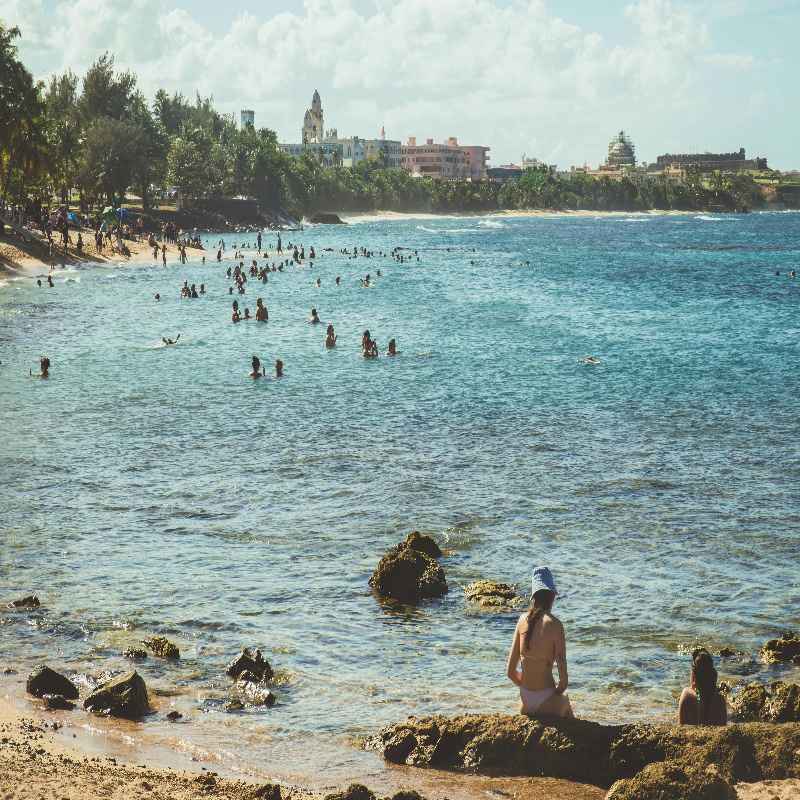
Culebra and Vieques: island days that feel like a different trip
If mainland Puerto Rico is “variety,” the smaller islands are “exhale.” They’re where you do less and somehow remember more. The trade-off is time: ferry schedules, airport transfers, taxi coordination. None of it is hard, exactly. It just means a day trip can feel rushed in a way you didn’t anticipate when you first looked at the map.
If you can do one overnight on Vieques, it pairs beautifully with a bio bay night (Mosquito Bay) and a quiet beach morning. Discover Puerto Rico includes Mosquito Bay on Vieques as one of the three headline bioluminescent bays, which is why it often becomes the “worth the detour” choice for travelers who can spare the time.
Culebra tends to be the pick for beach-and-snorkel simplicity. I’m not going to pretend it’s effortless—transport still takes planning—but once you’re there, the day can be refreshingly straightforward: water, sand, repeat.
Regional ideas (when you have extra days)
This is where I try not to be too neat. Because Puerto Rico doesn’t always behave like a checklist, and some of the best moments happen when you choose one area and let it unfold.
South and southwest: culture, dry landscapes, and a different coastline
If you’re already considering La Parguera (Lajas) for bioluminescence, that puts you in the southwest region, which feels distinct from San Juan’s energy. Discover Puerto Rico lists La Parguera as one of the three bio bays, and it’s often discussed as the one where you can swim—so you can build a day around a slower southern coastline and then do the night tour.
West coast: surf towns and sunsets
The west coast is often where people end up saying, “I didn’t expect to like this area so much.” It can feel looser and less scheduled. If your trip has any flexibility, consider a 1–2 night detour west for a softer pace and a different vibe than the metro area.
Sample itineraries (3, 5, and 7 days)
I’m offering these as frameworks, not commandments. You can swap days, flip the order, or slow the pace. In fact, you probably should.
3 days: first-timer highlights (San Juan base)
- Day 1: Old San Juan forts and wandering (San Juan National Historic Site), plus an easy evening.
- Day 2: El Yunque day trip via your chosen corridor; check the USDA Forest Service corridor guidance and any Recreation.gov updates if you’re aiming for La Mina.
- Day 3: Beach day + optional Laguna Grande bio bay tour if you want the “glow night” without leaving the mainland.
5 days: add one “special night” and recovery time
- Day 1: Old San Juan forts + city wandering.
- Day 2: El Yunque.
- Day 3: Slow beach day (no ambition).
- Day 4: Bio bay night (choose between Laguna Grande, La Parguera, or an overnight to Vieques for Mosquito Bay).
- Day 5: Buffer day for weather, shopping, museums, or simply resting.
7 days: two bases, more “Puerto Rico” less commuting
- Days 1–3: San Juan base (forts, neighborhoods, one easy beach day).
- Day 4: El Yunque + transfer to your second base (east coast, west coast, or southwest depending on priorities).
- Day 5: Regional exploration (west coast sunset day or south/southwest landscapes).
- Day 6: Bio bay night (La Parguera if swimming matters, or return east for Laguna Grande, or overnight Vieques for Mosquito Bay).
- Day 7: Calm final day—eat well, pack slowly, and do one last walk somewhere pretty.
Common mistakes (and how to avoid them)
I’ll keep this short because nobody likes being scolded by a travel guide. But these show up again and again.
- Trying to “see the whole island” in 4 days: Pick regions; don’t collect highways.
- Not checking official updates: El Yunque access details can change; use USDA Forest Service corridor info and Recreation.gov operational notes if you’re planning La Mina.
- Booking the bio bay on the wrong night: Conditions vary; if your schedule allows, choose the best night you can (and keep expectations flexible).
Conclusion: things to do in puerto rico that you’ll actually enjoy
If you remember one idea from this guide, let it be this: the best things to do in puerto rico aren’t the most impressive on paper—they’re the ones you can do without rushing. Start with Old San Juan’s forts, give El Yunque a real day, and choose one bioluminescent bay experience that fits your base and your energy. Then leave space for a beach day that’s honestly just a beach day. That’s usually the part people end up talking about the most.