
Understanding Tulum’s Climate and Seasons
Tulum has a tropical climate, which basically means it’s warm year-round—there’s no escaping that. But the weather does shift noticeably depending on the season. The dry season runs from November through April, and this is when most visitors flock to the Riviera Maya. Rainfall is minimal during these months, humidity drops to more comfortable levels, and you get those picture-perfect Caribbean days with cloudless blue skies. Temperatures typically range from the mid-70s in the morning to the mid-80s by afternoon, though it can occasionally creep into the low 90s during March and April.
The wet season, from May through October, brings more unpredictable weather. Temperatures climb higher—sometimes reaching the mid-90s—and humidity levels can feel oppressive, especially if you’re not used to tropical climates. Rain usually comes in quick, heavy bursts during the afternoon or evening, rather than all-day drizzles. I’ve been caught in these downpours more times than I can count, and they’re intense but brief. The upside? Everything is greener, cenotes are fuller, and the jungle comes alive in a way you don’t see during the dry months.
Hurricane season officially runs from June 1 through November 30, with the highest risk period being August through October. Most hurricanes miss Tulum entirely or just bring some wind and rain, but every few years, a major storm does make landfall. It’s worth checking the forecast before you book, and honestly, travel insurance isn’t a bad idea if you’re visiting during these months. That said, I know plenty of people who’ve visited in September or October and had incredible trips with almost no one else around.
Peak Season in Tulum: November Through April
November through April is when Tulum really comes alive. The weather is at its best—warm days, cool evenings, and virtually no rain. This is high season, so expect higher prices for accommodations, longer lines at popular attractions, and beaches that fill up by mid-morning. But there’s a reason everyone comes during these months. The weather is genuinely perfect for beach days, exploring ruins, and swimming in cenotes. You don’t have to worry about afternoon thunderstorms ruining your plans or humidity making you feel like you’re walking through soup.
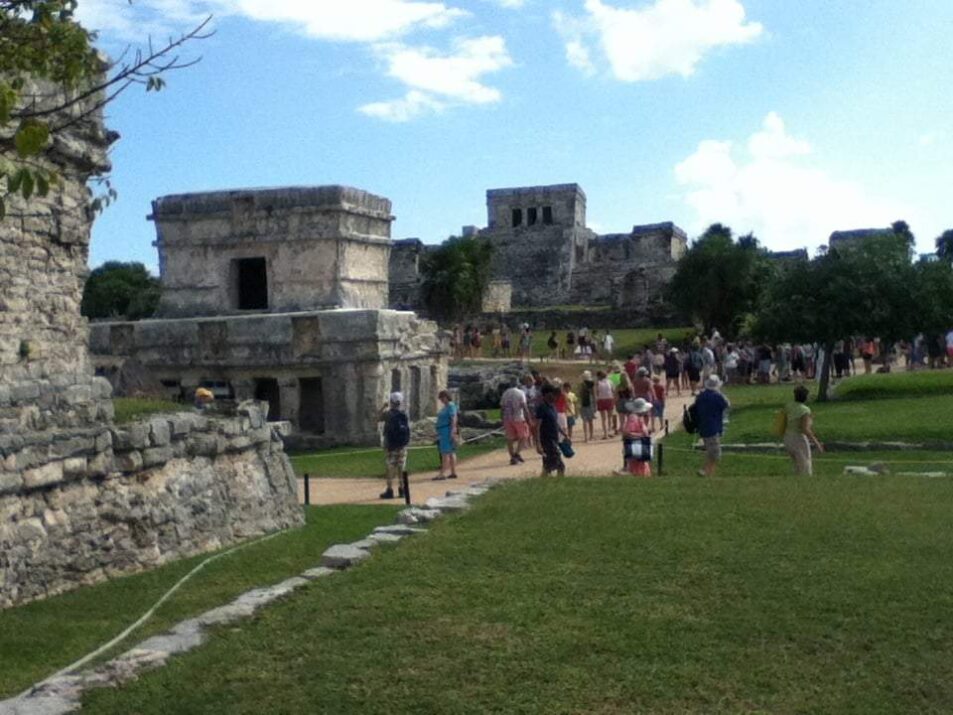
December and January are the busiest months, thanks to the holidays and winter break. If you’re coming from somewhere cold, I get the appeal—escaping snow and freezing temperatures for warm beaches sounds ideal. But hotels book up months in advance, and prices can double or even triple compared to low season. The crowds at the Tulum beaches and ruins can be overwhelming, especially around midday when tour buses arrive. I’ve seen the parking lot at the Tulum Ruins completely full by 10 a.m., with people circling for spots.
February and March offer a slightly better balance. The weather is still excellent, but the holiday crowds have thinned out a bit. You’ll still see plenty of tourists, but it’s not quite as chaotic. Late March and April are when things start heating up—literally. Temperatures climb, and by April, you’re getting a preview of the summer heat. Some people love this; others find it a bit much. April is also spring break season, which brings a younger party crowd to certain areas, particularly around the hotel zone beach clubs.
If you’re planning to visit during peak season, book everything early. I’m talking accommodations, rental cars, popular restaurants, cenote tours—everything. And consider staying in Tulum Pueblo instead of the hotel zone if you want to save some money and avoid the worst of the beach zone crowds. Pueblo is more affordable, has better local restaurants, and it’s only a 10-minute drive or bike ride to the beach.
Shoulder Season: The Sweet Spot in May and November
May and November are what I consider the shoulder months—right between high and low season. These months offer perhaps the best compromise between good weather and fewer crowds. In May, the weather is still quite nice, though it’s starting to get hotter and you’ll see occasional rain showers. November brings the end of hurricane season and the start of the dry season, so conditions improve throughout the month. Prices drop significantly compared to peak season, and you’ll have more breathing room at beaches, restaurants, and attractions.
I actually really like visiting in these months. You get most of the benefits of high season—warm weather, operating businesses, available tours—without the overwhelming crowds and inflated prices. The beaches aren’t packed, you can book a table at popular restaurants without waiting weeks, and getting around Tulum is easier when there aren’t quite so many rental cars and tourists on bikes clogging the beach road.
May does come with some trade-offs. It’s hot—sometimes uncomfortably so—and humidity starts ramping up. You’ll probably want to plan outdoor activities for early morning or late afternoon to avoid the midday heat. Rain becomes more likely, though it usually comes in short bursts rather than all-day affairs. Still, there’s something to be said for being able to walk into a beach club without a reservation or finding a quiet spot at a cenote without dozens of other people around.
November is particularly appealing because the weather improves as the month progresses. Early November can still see some rain and lingering hurricane season effects, but by mid to late November, conditions are excellent and crowds are still manageable. It’s one of my favorite times to visit, honestly. You get that sweet spot before the Christmas rush starts, and everything feels more relaxed.
Low Season: June Through October
June through October is officially low season in Tulum, and it’s not hard to see why. This is when the weather gets hot, humid, and unpredictable. Temperatures regularly hit the low to mid-90s, humidity hovers around 80-90%, and rain showers pop up with little warning. Hurricane season peaks during these months, particularly August through October, which makes some travelers understandably nervous. But here’s the thing—low season also has its advantages, and for certain types of travelers, it might actually be the better choice.
The most obvious benefit is cost. Hotel prices can drop by 40-50% compared to high season, and you’ll have far more negotiating power. Restaurants offer specials, tour operators are hungry for business, and you can sometimes score deals that would be unthinkable in December or January. If budget is a concern, low season makes Tulum significantly more accessible. Plus, the lack of crowds means you can explore at your own pace without feeling rushed or competing for space.
I won’t sugarcoat it though—the weather can be challenging. The heat and humidity are intense, and if you’re not used to tropical climates, it takes some adjustment. You’ll sweat constantly, even just sitting in the shade. Afternoon rain showers are common, which can disrupt plans if you’re not flexible. And there’s always that background anxiety about hurricanes, especially if you’re visiting in September or October. Most years nothing major happens, but when a storm does hit, it can shut down the entire region for days.
Some businesses do close during low season, particularly September and October when tourism drops to its lowest point. Smaller restaurants and some boutique hotels might shut down for a few weeks for renovations or to give staff a break. It’s always worth checking ahead if there’s a specific place you want to visit. That said, the major attractions—ruins, popular cenotes, beaches—remain open year-round. You might just find reduced hours or fewer tour options.
If you do visit during low season, embrace it. Plan activities for early morning when it’s cooler, take afternoon siestas when the heat peaks, and don’t stress too much about rain—it usually passes quickly. The crowds are minimal, locals are more relaxed and friendly, and you’ll get a more authentic sense of what Tulum is actually like when it’s not overrun with tourists. For some people, that’s worth dealing with a bit of rain and humidity.
Month-by-Month Breakdown: What to Expect
January: Peak Season at Its Best
January is one of the most popular months to visit Tulum, and the weather backs that up. Temperatures are comfortably warm, usually ranging from 73°F to 82°F, with low humidity and almost no rain. It’s perfect beach weather. The downside? Everyone knows this, so crowds are thick and prices are at their highest. Hotels book up far in advance, especially around New Year’s. If you’re visiting in January, plan ahead and budget accordingly.
February: Slightly Quieter, Still Excellent
February continues the excellent weather pattern from January, with similar temperatures and minimal rainfall. The post-holiday lull means slightly fewer crowds compared to December and January, though it’s still firmly peak season. This is one of my preferred months for visiting—you get all the benefits of high season with marginally better availability and less chaos. The water is calm and clear, perfect for snorkeling.
March: Warming Up, Spring Break Arrives
March sees temperatures start to climb, often reaching the mid to upper 80s. It’s still dry, but you’ll notice the heat ramping up, especially by late March. Spring break crowds descend on Tulum during March, particularly in the hotel zone where beach clubs and party spots see a surge in younger travelers. If you’re looking for a quieter experience, consider staying in Pueblo and avoiding the busiest beach areas during the day.
April: Hot and Dry, Pre-Summer Heat
April is the hottest month of the dry season, with temperatures frequently hitting the low 90s. Humidity starts creeping up as the wet season approaches. Rain is still rare, but you might see the occasional afternoon shower. Crowds begin thinning out compared to the winter months, and prices start dropping slightly. It’s a good time to visit if you can handle the heat and want to avoid peak season crowds.
May: Shoulder Month, Increasing Rain
May marks the transition into wet season. Temperatures stay hot, usually in the upper 80s to low 90s, and humidity becomes noticeably higher. Rain showers become more frequent, particularly in the late afternoon or evening. Tourism drops off, which means better prices and fewer crowds. Some consider May one of the best value months for visiting Tulum—you still get decent weather most days, but without peak season crowds and prices.
June: Wet Season Begins, Manageable Crowds
June is when wet season really kicks in. Expect higher humidity, temperatures in the upper 80s to low 90s, and frequent afternoon thunderstorms. Rain usually comes in heavy bursts rather than all-day drizzles. Hurricane season officially starts, though major storms are relatively rare in June. Tourism continues dropping, so you’ll find good deals and quiet beaches. Just be prepared for the heat and humidity—it’s intense.
July and August: Hot, Humid, and Stormy
July and August are low season for good reason. It’s hot (low to mid-90s), insanely humid, and rain is a near-daily occurrence. Hurricane risk increases, particularly in August. That said, these months aren’t without appeal. Prices are at their lowest, crowds are minimal, and if you can handle the weather, you’ll have Tulum largely to yourself. Just stay flexible with your plans and keep an eye on weather forecasts. The jungle and cenotes are at their most lush and beautiful during these months.
September and October: Hurricane Season Peak
September and October are the heart of hurricane season and the absolute low point for tourism. Weather is unpredictable, with the constant possibility of tropical storms or hurricanes. When it’s not storming, it’s hot and humid. Many smaller businesses close during these months. However, if you’re willing to take the risk and stay flexible, you can find incredible deals. I’ve known travelers who visited in September and had amazing experiences with almost no crowds, though I’ve also heard stories of trips being completely derailed by storms. It’s a gamble.
November: Return to Better Weather
November is when things start improving. Early November can still see some rain and lingering hurricane activity, but by mid-month, conditions typically improve dramatically. Temperatures moderate back to the low to mid-80s, humidity drops, and rain becomes less frequent. Tourism picks up gradually throughout the month, but it’s still far less crowded than peak season. Prices are reasonable, especially early in the month. November is honestly one of the best times to visit if you want good weather without peak season chaos.
December: Holiday Rush Returns
December sees the return of peak season crowds, especially during the second half of the month around Christmas and New Year’s. Weather is excellent—warm, dry, comfortable. But hotels book up months in advance, prices spike, and popular spots get crowded. If you’re visiting in December, book early and be prepared to pay premium rates. The atmosphere is festive, with many hotels and restaurants offering special holiday events and celebrations.
Avoiding the Tourist Crowds: Practical Strategies
Even during peak season, there are ways to avoid the worst of the crowds and find some breathing room. The most obvious strategy is timing—visit popular attractions early in the morning or late in the afternoon. The Tulum Ruins, for example, open at 8 a.m., and if you arrive right when they open, you’ll have maybe an hour before the tour buses and cruise ship groups arrive. By 10 or 11 a.m., the place is packed. Same goes for the popular beaches and cenotes. Early morning and late afternoon are golden hours for avoiding crowds.
Another approach is seeking out lesser-known spots. Everyone goes to Gran Cenote and Dos Ojos, which are beautiful but can feel like theme parks during high season. But there are dozens of other cenotes around Tulum that see far fewer visitors. Same with beaches—everyone crowds into the main beach zone near the ruins, but if you’re willing to bike or drive a bit further south or north, you’ll find quieter stretches of sand. It takes a little more effort, but the payoff is worth it.
Consider where you stay, too. The hotel zone along the beach road is stunning, but it’s also where most tourists concentrate. Staying in Tulum Pueblo puts you closer to local life and away from the tourist bubble. Pueblo has better restaurant options, lower prices, and a more authentic feel. You’ll need to bike or drive to the beach, but it’s only 10-15 minutes, and you’ll avoid the worst of the crowds. Plus, Pueblo is where actual Tulum residents live and work, so you get a more genuine sense of the place.
Don’t be afraid to explore outside of Tulum entirely. The surrounding area is full of attractions that don’t see nearly as many visitors. Smaller Mayan ruins like Coba or Muyil are less crowded than Tulum Ruins but equally fascinating. Remote cenotes and beaches along the coast offer solitude that’s hard to find in Tulum proper. Rent a car and spend a day exploring—you’d be surprised what you’ll discover when you venture off the main tourist trail.
And perhaps most importantly, adjust your expectations. Tulum is a major tourist destination now, and some level of crowds is unavoidable, especially during peak season. But crowds don’t have to ruin your trip if you plan smart, stay flexible, and remember that those famous Instagram photos rarely show the reality of 50 other people also trying to get the same shot. Find your own moments, seek out quieter spots, and don’t stress too much about hitting every popular attraction. Sometimes the best experiences happen when you wander off the beaten path.
What to Pack for Tulum: Season-Specific Essentials
What you pack for Tulum depends heavily on when you’re visiting, though some items are essential year-round. Let’s start with the non-negotiables: sunscreen, and lots of it. The sun in Tulum is intense, even on cloudy days. I’ve seen so many tourists arrive and underestimate how strong the sun is, only to spend half their trip sunburned and miserable. Reef-safe sunscreen is preferable, as many cenotes and marine areas ask visitors to use biodegradable products to protect the ecosystem. Bring a high SPF and reapply constantly.
Bug spray is another must, particularly if you’re visiting during wet season or spending time in the jungle or near cenotes. Mosquitoes in Tulum can be aggressive, especially around dawn and dusk. I’ve had nights where I was eaten alive despite thinking I was being careful. Bring a strong repellent with DEET, or pick one up when you arrive—they’re widely available at local shops and pharmacies.
For clothing, lightweight, breathable fabrics are essential year-round. Tulum is hot, and you’ll be sweating—there’s no way around it. Quick-dry clothing is ideal, especially if you plan on swimming in cenotes or the ocean frequently. Bring swimwear that dries fast, a couple of cover-ups or light shirts for sun protection, and comfortable walking shoes or sandals. Flip-flops are fine for the beach, but you’ll want something more substantial if you’re exploring ruins or hiking through the jungle.
If you’re visiting during dry season (November-April), you can get away with lighter packing. Rain gear isn’t essential, though a light jacket or sweater can be nice for cooler evenings or air-conditioned restaurants. During wet season (May-October), bring rain gear—either a compact rain jacket or a small umbrella. Rain showers are frequent and can catch you off guard. I’ve been soaked more times than I can count because I didn’t bother bringing a rain jacket in June.
A reusable water bottle is clutch. Staying hydrated in Tulum’s heat is critical, and constantly buying plastic water bottles gets expensive and wasteful. Many hotels and restaurants have water refill stations, or you can buy large jugs of purified water to refill from. Don’t drink tap water in Tulum—stick to bottled or purified water to avoid getting sick.
For beach days, bring or buy a beach bag, towel, and maybe a small cooler if you plan on spending long days on the sand. Some beach clubs provide towels and chairs, but public beaches don’t. A waterproof phone case or dry bag is useful if you’re swimming in cenotes or the ocean and want to protect your electronics. And don’t forget a good hat and sunglasses—the sun is relentless.
Safety Considerations for Visiting Tulum in 2025
Let’s talk about safety, because it’s a legitimate concern that comes up frequently. Tulum is generally safe for tourists, but like any popular destination, it has its issues. Most visitors have completely uneventful trips, but it’s smart to be aware of potential risks and take basic precautions. The biggest safety concerns in Tulum currently involve petty theft, rental car scams, and occasional incidents related to organized crime, though the latter rarely affects tourists directly.
Petty theft is probably the most common issue. Tourists are obvious targets, especially in crowded areas like beaches, the hotel zone, and popular restaurants. Don’t leave valuables unattended on the beach—I’ve heard countless stories of phones, wallets, and bags being snatched while people were swimming. Keep your belongings secure, use hotel safes for passports and extra cash, and be aware of your surroundings. Most theft is opportunistic, so just don’t make yourself an easy target.
Rental car scams and issues are frustratingly common in Tulum. Some rental companies try to charge inflated fees, claim pre-existing damage was your fault, or push unnecessary insurance. Always thoroughly document the car’s condition with photos and video before driving off, decline extra insurance if your credit card covers rentals, and read the contract carefully. There have also been reports of fake police checkpoints where corrupt officers try to extract bribes from tourists. If you’re pulled over and something feels off, stay calm, be polite, and ask to go to the nearest police station rather than paying on the spot.
There have been occasional incidents involving violence in Tulum in recent years, mostly related to disputes between criminal organizations over territory. These incidents rarely involve tourists, but they’ve happened in public spaces, including restaurants and beach clubs. It’s worth staying informed about current conditions, avoiding areas that feel sketchy, and not getting involved in illegal activities—particularly drugs. Using or buying drugs as a tourist in Mexico is incredibly risky and just not worth it.
Water safety is another consideration. The ocean in Tulum can have strong currents, and people drown every year, often tourists who aren’t familiar with the conditions. Pay attention to warning flags on beaches, don’t swim alone, and be honest about your swimming ability. Cenotes can also be dangerous if you’re not careful—some have deep drops, underwater caves, and poor visibility. Stick to designated swimming areas and follow all posted rules and guidance from guides.
For the most up-to-date and detailed safety information, check out our complete guide to staying safe in Tulum, which covers current concerns, neighborhoods to avoid, emergency contacts, and practical safety tips. Overall, most visitors to Tulum have safe, enjoyable trips. Just use common sense, stay aware, and don’t take unnecessary risks.
Getting to Tulum: Transportation and Logistics
Getting to Tulum is straightforward, though it requires a bit more planning than destinations with direct flights. Most international visitors fly into Cancun International Airport (CUN), which is about 80 miles (130 km) north of Tulum. From there, you have several options for reaching Tulum. The most budget-friendly is the ADO bus, which runs regularly from the Cancun Airport to Tulum and costs around $15-20 USD. The ride takes about 2-2.5 hours depending on stops, and the buses are comfortable and air-conditioned.
Private shuttles are another popular option. Companies like Canada Transfers and Kalido Travel offer door-to-door service from the airport to your accommodation in Tulum for around $50-80 USD for a group. It’s more expensive than the bus but faster and more convenient, especially if you have a lot of luggage or are traveling with kids. You can book these online in advance, and they’ll have a driver waiting for you at the airport with a sign.
Renting a car gives you the most flexibility, though it comes with the aforementioned issues around rental car scams and potentially corrupt police. If you rent a car, book through a reputable international company, document everything, and be prepared for aggressive driving and occasional police stops. Having your own vehicle makes it much easier to explore cenotes, ruins, and beaches outside of central Tulum, but it’s not essential if you’re planning to stay mostly in town and the beach zone.
As of 2025, there’s also the new Tulum International Airport, which opened in late 2023. This airport is much closer to Tulum—only about 20 minutes away—but it currently has fewer international flights compared to Cancun. If you can find a direct flight to Tulum’s airport, it saves significant travel time, but most international travelers still route through Cancun. Check flight options and prices for both airports when planning your trip.
Once you’re in Tulum, getting around is relatively easy. The town is small enough that you can walk or bike to many places in Pueblo. The beach zone and hotel zone are spread out along the coast, so you’ll need wheels—either a bike, scooter, taxi, or rental car. Many visitors rent bikes for getting around, which works well though the beach road can be chaotic with traffic. Taxis are available but can be expensive, especially for repeated trips between Pueblo and the beach. Colectivos (shared vans) run along the main highway and are the cheapest option for getting around the region, costing just a few dollars per ride.
Where to Stay in Tulum: Choosing Your Base
Where you stay in Tulum significantly impacts your experience, and the choice basically comes down to two main areas: the Hotel Zone along the beach or Tulum Pueblo in town. Each has distinct advantages and trade-offs. The Hotel Zone is where you’ll find those Instagram-famous boutique hotels, boho-chic beach clubs, and direct beach access. It’s beautiful, no question—waking up steps from the Caribbean is pretty hard to beat. But it’s also expensive, can feel touristy and artificial, and lacks the infrastructure of town—no grocery stores, banks, or reasonably priced restaurants.
Tulum Pueblo, on the other hand, is where locals live and work. It’s more affordable, has better restaurant options, grocery stores, ATMs, and a more authentic feel. You’re not right on the beach, but it’s only a 10-15 minute bike ride or drive away. I personally prefer staying in Pueblo for longer trips because it feels more like a real place rather than a resort zone. You can walk to dinner, grab coffee, and get a sense of actual daily life in Tulum rather than just the tourist bubble.
There are also options outside of these two main areas. Aldea Zama is a newer development between Pueblo and the beach that offers condo-style accommodations with more amenities like pools and security. It’s quieter than both Pueblo and the beach zone but can feel a bit sterile and resort-like. Region 15, south of Pueblo, is an up-and-coming area with lower prices and a more local vibe, though it’s further from the beach and main attractions.
Budget is obviously a major factor. If money is tight, Pueblo hostels and budget hotels can run as low as $20-40 per night, while beach zone boutique hotels easily hit $300-500+ per night during peak season. There’s a middle ground—mid-range hotels in Pueblo or Aldea Zama typically range from $80-150 per night and offer good value with comfortable rooms, pools, and convenient locations.
For a detailed breakdown of neighborhoods, specific hotel recommendations, and pros and cons of each area, check out our complete guide to where to stay in Tulum. It really depends on your budget, priorities, and what kind of experience you’re looking for. Both areas work—it’s just about matching the right spot to your travel style.
Top Attractions and Activities in Tulum
Tulum’s main attractions are what draw most people here, and honestly, they live up to the hype—mostly. The Tulum Ruins are the most iconic site, perched dramatically on a cliff overlooking the Caribbean. It’s a relatively small Mayan archaeological site compared to places like Chichen Itza, but the setting is unbeatable. The ruins are well-preserved, with the main temple (El Castillo) serving as the centerpiece. You can explore on your own or hire a guide at the entrance, which I’d recommend if you want historical context.
The catch with the ruins is that they’re incredibly popular, so expect crowds, especially between 10 a.m. and 3 p.m. Get there right when they open at 8 a.m. for the best experience. Bring sunscreen and water—there’s very little shade, and it gets hot. You can access a small beach at the base of the ruins, which is a nice bonus and less crowded than the main public beaches. Plan on spending 1-2 hours there, maybe more if you’re really into history or photography.
Cenotes are the other must-do activity in Tulum. These natural sinkholes filled with crystal-clear freshwater are scattered throughout the region, and swimming in them is an unforgettable experience. Gran Cenote and Dos Ojos are the most famous and most crowded, but there are dozens of others worth exploring. Some cenotes are open-air, others are partially or fully underground, creating eerie, beautiful environments with stalactites and shafts of sunlight piercing the darkness. Each cenote has its own character and appeal.
For a comprehensive guide to the best cenotes, including lesser-known gems that avoid the crowds, check out our complete cenote guide. Some are better for swimming, others for snorkeling or diving, and a few even allow cliff jumping if you’re feeling adventurous. Cenote-hopping is one of the best ways to spend a day in the Tulum area, especially if you can handle the heat.
The beaches are obviously a major draw. Tulum’s coastline is stunning—white sand, turquoise water, and those iconic palm trees swaying in the breeze. The main public beach access points get crowded, but there are quieter stretches if you’re willing to walk or bike further south. Our beach guide breaks down the best spots, from bustling beach clubs to secluded public areas, along with access info, amenities, and what to expect at each location.
Beyond the main attractions, there are plenty of other activities. You can explore the Sian Ka’an Biosphere Reserve, a massive protected area with mangroves, lagoons, and diverse wildlife. Visiting other Mayan ruins like Coba, which has a climbable pyramid, or the lesser-known Muyil offers different perspectives and far fewer crowds. The jungle surrounding Tulum is home to unique wildlife and offers opportunities for biking, hiking, and exploration. Some tour companies offer night tours to see nocturnal animals and experience the jungle in a completely different way.
Snorkeling and diving are excellent in the region, either in the ocean or in the cenotes. The Mesoamerican Barrier Reef is the second-largest reef system in the world, and there are numerous spots for spotting sea turtles, tropical fish, and colorful coral. Cenote diving is a more advanced activity but offers incredible underwater cave systems for experienced divers. Just make sure you go with reputable operators and have appropriate certifications for cave diving—it’s not something to take lightly.
Food and Dining in Tulum: What and Where to Eat
Tulum’s food scene has exploded in recent years, evolving from basic tacos and tourist traps to a genuinely impressive mix of local cuisine, international fusion, and high-end dining. You can eat incredibly well here, whether you’re on a tight budget or ready to splurge on a fancy beachfront dinner. The key is knowing where to look and not getting stuck in the obvious tourist spots, which tend to be overpriced and underwhelming.
For authentic, affordable Mexican food, Tulum Pueblo is where it’s at. The taco stands and small family-run restaurants along the main avenue and side streets serve excellent tacos al pastor, cochinita pibil, and other Yucatecan specialties for just a few dollars. Taqueria Honorio is a local favorite for cheap, delicious tacos and tortas. El Camello Jr. is known for fresh seafood, particularly their ceviche and fish tacos. Antojitos La Chiapaneca serves Chiapas-style cuisine, including excellent tamales and tlayudas.
If you want to splurge on upscale dining, the beach zone has plenty of options, though prices are significantly higher. Hartwood is probably the most famous restaurant in Tulum, known for wood-fired dishes and creative cocktails. Reservations are essential and open weeks in advance—it books up fast. Kitchen Table is another high-end spot offering tasting menus with locally sourced ingredients. Arca focuses on open-fire cooking and has received international acclaim. These places are expensive—expect $50-100+ per person—but the food is genuinely excellent if that’s in your budget.
There’s a growing middle tier of restaurants that offer good quality without the extreme prices. Taqueria La Eufemia is a beach spot with laid-back vibes, decent tacos, and a fun atmosphere. Burrito Amor serves huge, affordable burritos and smoothie bowls—perfect for a quick, filling meal. Raw Love focuses on vegan and vegetarian food with fresh juices and healthy bowls. Mateo’s Mexican Grill in Pueblo serves solid Mexican food at reasonable prices with generous portions.
For a deeper dive into specific restaurant recommendations, neighborhood guides, and what dishes to try, check out our complete Tulum restaurant guide. It covers everything from street food to fine dining, with honest reviews and price ranges so you can plan accordingly. Don’t sleep on the local markets either—the Tulum Pueblo market has fruit stands, food stalls, and vendors selling fresh juice and snacks at local prices.
Coffee culture has also taken off in Tulum. Cafe Cielo and Kaban offer excellent coffee and breakfast in Pueblo. Puro Corazon has organic coffee and a cozy atmosphere. Many of the beach clubs double as daytime cafes, serving overpriced but admittedly delicious lattes and acai bowls if you’re willing to pay for the ocean view.
One piece of advice: don’t limit yourself to restaurants clearly targeting tourists. Some of the best meals I’ve had in Tulum came from random, unmarked spots where locals were eating. If you see a line of Mexicans waiting for food at a taco stand or small restaurant, that’s usually a good sign. Be adventurous, try new things, and don’t be afraid to ask locals for recommendations—they know the best spots that never make it onto tourist blogs or Instagram.
Practical Tips for Your Tulum Trip
A few final practical tips that’ll make your Tulum trip smoother. First, bring cash. Tulum is increasingly accepting cards, but many smaller businesses, taco stands, and taxis still operate on cash only. ATMs are available in Pueblo, but they often run out of money during peak season, and transaction fees can be high. Bring USD or Mexican pesos, and know that USD is widely accepted, though you’ll usually get a better rate paying in pesos.
Don’t expect pristine cleanliness or perfect infrastructure. Tulum is developing rapidly, but it’s still rough around the edges. Roads can be bumpy and poorly lit, sidewalks are uneven or nonexistent, and service can be slow and inconsistent. Power outages happen, Wi-Fi can be spotty, and things just generally operate on “island time.” If you need everything to be efficient and polished, Tulum might frustrate you. If you can roll with the imperfections, you’ll have a much better time.
Be mindful of environmental impact. Tulum’s rapid tourism growth has caused significant environmental strain—beach erosion, pollution, overtourism at cenotes, and destruction of jungle and mangroves for development. Choose eco-conscious accommodations when possible, use reef-safe sunscreen, avoid single-use plastics, and be respectful at natural sites. Don’t touch coral, don’t litter, and follow all rules at cenotes and protected areas. Tulum’s natural beauty is its biggest asset, and preserving it requires conscious effort from visitors and locals alike.
Learn some basic Spanish if you don’t already speak it. English is widely spoken in tourist areas, but stepping outside the bubble means you’ll need at least basic Spanish to communicate. Even just knowing how to order food, ask for directions, and say please and thank you goes a long way. Locals appreciate the effort, and it makes interactions smoother and more genuine.
Set realistic expectations about what Tulum is now versus what it used to be. A decade ago, Tulum was a quiet bohemian beach town known mostly to backpackers and hippies. Now it’s a major international destination with luxury hotels, beach clubs charging $100+ minimums, and traffic jams on the beach road. That doesn’t mean it’s not worth visiting—it absolutely is—but it’s not the undiscovered paradise some people expect. Parts of it are commercialized and overpriced. But there’s still beauty, still authenticity if you seek it out, and still incredible experiences to be had if you approach it with the right mindset.
Making the Most of Your Tulum Experience
At the end of the day, the best time to visit Tulum depends on what you prioritize. If perfect weather and full access to all activities matter most, visit between November and April, but be ready for crowds and higher prices. If budget and solitude are your top concerns, May through October offers significant advantages despite the heat, humidity, and rain. Shoulder months like May and November offer perhaps the best balance—decent weather, manageable crowds, and reasonable prices.
No matter when you visit, Tulum rewards those who look beyond the obvious tourist spots and Instagram hotspots. Explore cenotes that aren’t on every top-ten list. Eat at restaurants where locals eat. Stay in Pueblo and experience daily life rather than just the beach zone bubble. Wake up early to beat crowds at the ruins and beaches. Stay flexible when weather doesn’t cooperate. And most importantly, remember that the best travel experiences rarely come from perfectly executing a rigid itinerary—they come from being open, curious, and willing to embrace the unexpected.
Tulum isn’t perfect. It’s crowded, it’s commercialized in parts, it’s more expensive than it should be, and it’s changed dramatically from its bohemian roots. But it’s also stunningly beautiful, culturally rich, full of incredible food and activities, and unlike anywhere else. The beaches, cenotes, and ruins are as spectacular as everyone says. The sunsets are breathtaking. The food scene is fantastic. And if you time your visit right, plan thoughtfully, and approach it with realistic expectations and a sense of adventure, you’ll understand why so many people fall in love with this little corner of the Caribbean coast.
So pick your dates, book your accommodations, pack your bags, and get ready for an adventure. Tulum is waiting, and whether you visit in peak season or brave the low season heat and rain, you’re in for an experience you won’t forget. Safe travels, and enjoy every moment of your time in this beautiful, chaotic, unforgettable place.



What do you think?