

If you’ve ever wondered what Ohio is known for, it’s a little bit of everything: Great Lakes breezes up north, the wide Ohio River down south, and a middle full of college-town energy, stubborn industry, and the kind of food you reach for when you need comfort. Perhaps that’s why the state feels familiar even if you’ve never been — it sits between coasts, and it reads like a cross‑section of American life.
Fast Facts: What Ohio Is Known For
- Nickname: The Buckeye State (yes, it’s a tree, and a candy)
- Capital & Largest City: Columbus
- Other Major Metros: Cleveland, Cincinnati
- Geography Snapshot: Lake Erie shoreline to the north; the Ohio River borders the south; rolling farmland and forests in between
- Signature Icons: Wright brothers, Rock & Roll Hall of Fame, Cedar Point, Cuyahoga Valley National Park, Hocking Hills, Amish Country, Cincinnati chili
- State Symbols You’ll Actually Notice: Ohio buckeye (tree), cardinal (bird), white‑tailed deer (mammal)
What Is Ohio Known For? The Big Picture
Ask five Ohioans, get seven answers. Still, some themes come up again and again: aviation roots that reached for space, music history you can walk through, world‑class roller coasters, a national park near a major metro, a quietly inventive economy, and foods that draw strong opinions. The rest of this guide unpacks each one with practical detail — and a few gentle detours, because real trips (and real places) aren’t perfectly linear.
Aviation Roots (and Space Heroes)
“Birthplace of Aviation” isn’t just a license‑plate boast. The Wright brothers’ bicycle shop tinkering in Dayton set the stage for powered flight, and that early curiosity still echoes across museums, Air Force heritage, and a very Ohio sort of pride about astronauts who later pushed even farther — Neil Armstrong and John Glenn among them. If you like the feeling of looking up, this thread runs through the state in a surprisingly cohesive way.
Plan at least half a day at the National Museum of the U.S. Air Force near Dayton — hangars of aircraft tracing a century of design leaps. It’s the kind of place where you move from wonder to quiet reflection in a few steps. And if you’re weaving a longer loop, pairing Dayton with Cleveland gives you a tidy “air and sound” two‑city arc.
Music, Arts, and Sports (Yes, the Rock Hall)
Cleveland’s Rock & Roll Hall of Fame is both museum and pilgrimage stop — exhibits that trace the messy, loud, joyful history of rock, and a lakefront building that feels like motion even when the wind is still. It opened in the mid‑1990s and has grown into a living archive with artifacts, interactive exhibits, and that top‑floor “Hall” moment people talk about afterward.
Outside music, you’ll find Playhouse Square lighting up downtown Cleveland’s theater scene, a strong ballet and orchestra tradition, and sports that carry real cultural gravity. College football in Columbus is practically a season unto itself; in Cincinnati and Cleveland, baseball in summer feels right even if you don’t have the stats memorized.
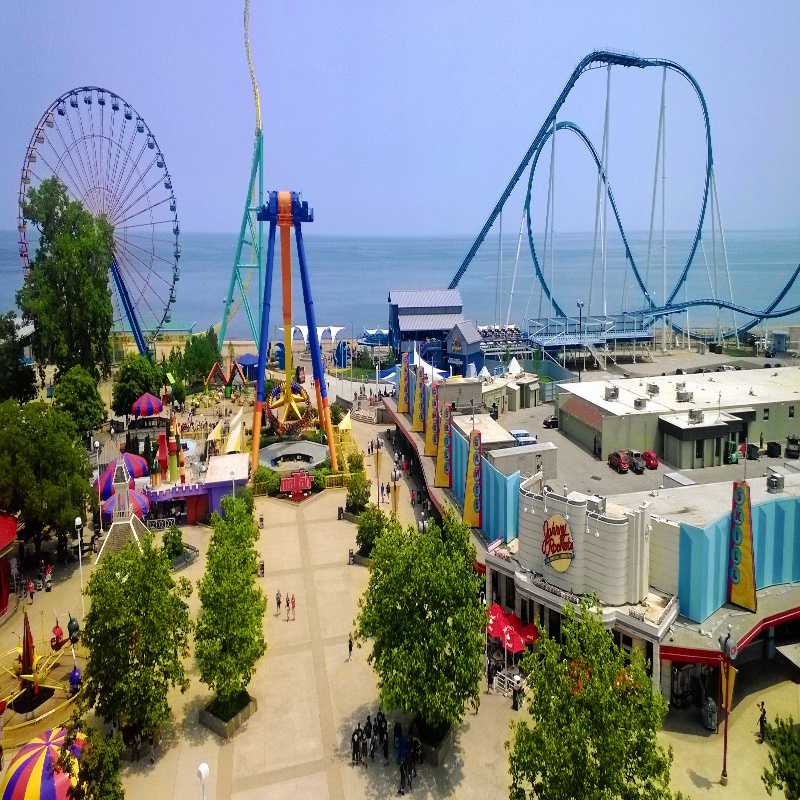
Landmarks and Attractions You’ll Actually Use
Cedar Point: The Coaster Capital
On a Lake Erie peninsula in Sandusky, Cedar Point has been redefining “how tall is too tall” for more than a century. If you love coasters, you already know the names; if you’re on the fence, the views alone — lake on one side, skyline of steel on the other — might nudge you over. Tip: arrive early, have a short list, and save one ride for dusk when the park glows.
Cuyahoga Valley National Park
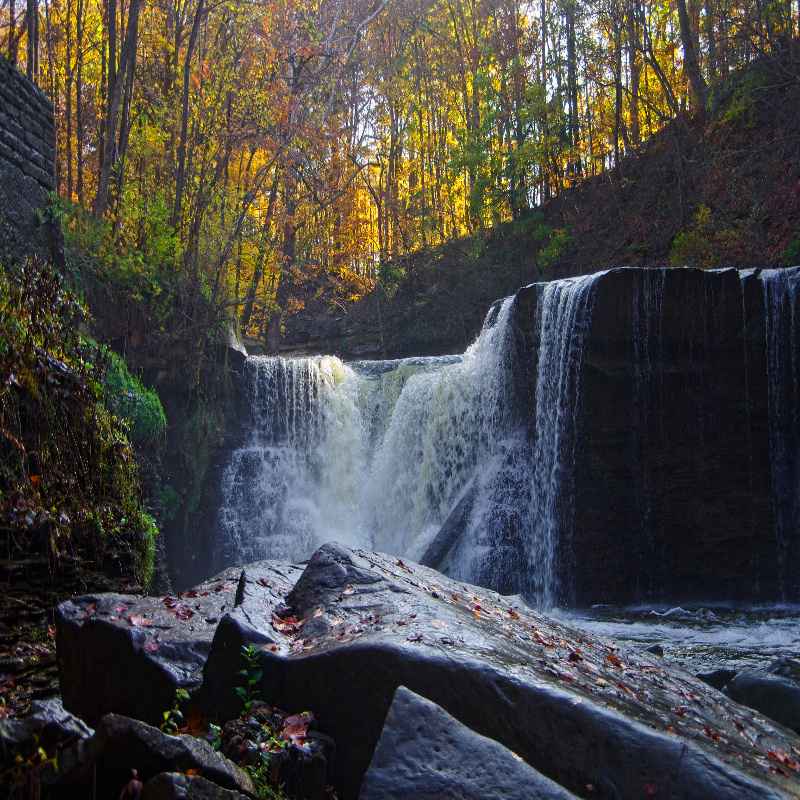
Between Cleveland and Akron, this is the national park that sneaks up on you: towpath trails, waterfalls like Brandywine, boardwalks over marshland, and a scenic railroad that’s more than just a photo op. It’s easy to pair a morning in the park with an afternoon museum or ballgame — rare flexibility for a national park experience.
Hocking Hills
South‑east of Columbus, Hocking Hills layers sandstone gorges, caves, and waterfalls in a compact area that’s as good for a quick reset as it is for a long weekend. Old Man’s Cave and Ash Cave are the headliners; go early if you can. Personally, I think late fall is underrated — quieter trails, crisp air, and that feeling that you’ve stepped into a painting with the colors turned low, in a good way.
Amish Country
Head into Holmes County for a slower rhythm: farm stands, furniture makers, bakeries where “just one more pastry” becomes a theme. It’s a window into craft and continuity — and a reminder that speed isn’t everything.
Planning a landmarks loop? This pairs neatly with our practical guide: Ohio landmarks and attractions — with mini itineraries, timing tips, and seasonal notes woven in.
Famous Ohio Foods (Where to Try Them)
Food in Ohio is comfort first, debate second. You’ll hear strong takes and, occasionally, contradictions. That’s half the fun.
- Cincinnati chili: Chili over spaghetti (the “ways”), cinnamon‑warm spices, shredded cheddar snow. Order how you like; there’s no single right way — and that’s a hill many will happily defend.
- Buckeyes: Peanut butter balls dipped in chocolate, made to resemble the nut of the buckeye tree. Simple, nostalgic, and an easy gift to carry home.
- Goetta: A Cincinnati‑area staple with German roots — oats and pork cooked into something that crisps beautifully in a pan. Breakfast people, this is for you.
- Pierogies: Especially around Cleveland and the industrial northeast — dumplings filled with potato or cheese, best with onions that have seen a little butter and patience.
- Lake Erie perch: Lightly fried, squeeze of lemon, eaten near the water if you can arrange it. Summer on a plate.
If you’re building an itinerary around bites and stories, jump to our deep dive: Famous Ohio foods (what Ohio is known for) — a friendly guide to origins and where to try each dish.

Presidents and Civic History (Brief, Human)
Ohio produced a remarkable list of U.S. presidents — Grant, Hayes, Garfield, McKinley, Taft, and others — which sounds like trivia until you start stepping into their homes and libraries and realize how much 19th‑ and early 20th‑century America ran through this corridor of the Midwest. The sites themselves are approachable; an afternoon is often enough to feel oriented.
For an easy planning companion, try: Presidents from Ohio — short bios, what made each term notable, and where to visit.
Ohio’s Economy Today: More Than Factories
Manufacturing still matters — you see it in steel, autos, aerospace components — but the story has broadened. Healthcare anchors like major clinics and research hospitals pull talent and investment; universities feed a steady pipeline; logistics hums along thanks to geography that puts much of the country within a day’s drive. It’s pragmatic, maybe even modest in tone, and that’s part of the state’s character.
If you’re weighing a move, the big three cities each have a different feel: Columbus trends youthful and fast‑growing, Cleveland leans arts‑rich with medical and manufacturing depth, and Cincinnati balances corporate heft with a historic core that rewards meandering. None of them are monolithic; the neighborhood stories are where things click.
Regions and Road Trips
Think in arcs, not dots: Lake Erie shore and islands (Put‑in‑Bay) for summer breezes; the Northeast museum loop where a morning becomes a full day; the Hocking Hills and Appalachian southeast for forests and quiet. Winter can be bracing, yes — which simply makes shoulder seasons shine if you prefer space and softer light.
- Lake & Islands Weekend: Sandusky base, Cedar Point day, ferry to an island the next, perch dinner to close.
- Culture Corridor: Cleveland’s Rock Hall and theater, then south for Cuyahoga Valley trails; back in time for a game or concert.
- Hocking Reset: Cabins, short hikes (Old Man’s Cave, Ash Cave), stargazing. Less checklist, more breathing room.
Practical Notes for Movers and Planners
Housing tends to be more attainable than coastal hubs, commutes are reasonable in most areas, and you can stitch together a satisfying weekend without spending a fortune. If schools, healthcare access, or specific industry clusters are on your mind, choose neighborhoods with those at the center and build outward, not the other way around.
As you shape plans, keep the pillar‑to‑cluster flow in mind: scan this guide, then dive into landmarks, foods, and presidential sites for specifics. It’s a light cross‑link web on purpose — helpful, not heavy.
Why “Buckeye State” Sticks
The buckeye tree is more than a symbol — it’s a shared shorthand. You’ll see buckeye candies in bakeries, buckeye motifs at games, and the word itself used as a friendly nod. Small detail, big signal. States tell on themselves through their symbols; Ohio’s are earthy, active, and a little sentimental, which tracks with how the place feels on the ground.
FAQs: Quick Answers
Is Ohio really the “Birthplace of Aviation”?
Yes — the Wright brothers developed their early innovations in Dayton, and the state’s aviation and aerospace heritage is a throughline from those workshops to modern museums and research hubs.
What is Ohio most famous for?
Common answers include the Rock & Roll Hall of Fame, Cedar Point, aviation history, the national park near Cleveland, Hocking Hills, Amish Country, and foods like Cincinnati chili and buckeyes.
Best time to visit?
Late spring through early fall for parks, islands, and outdoor events; late fall is lovely in Hocking Hills if you like quieter trails; winter has its charm if you plan for it (museums, theater, cozy meals).
What are the “Three C’s”?
Columbus, Cleveland, and Cincinnati — different flavors, no single winner. Try to see at least two if you can.